
A Practical Guide to End-of-Life Planning (Without the Overwhelm)
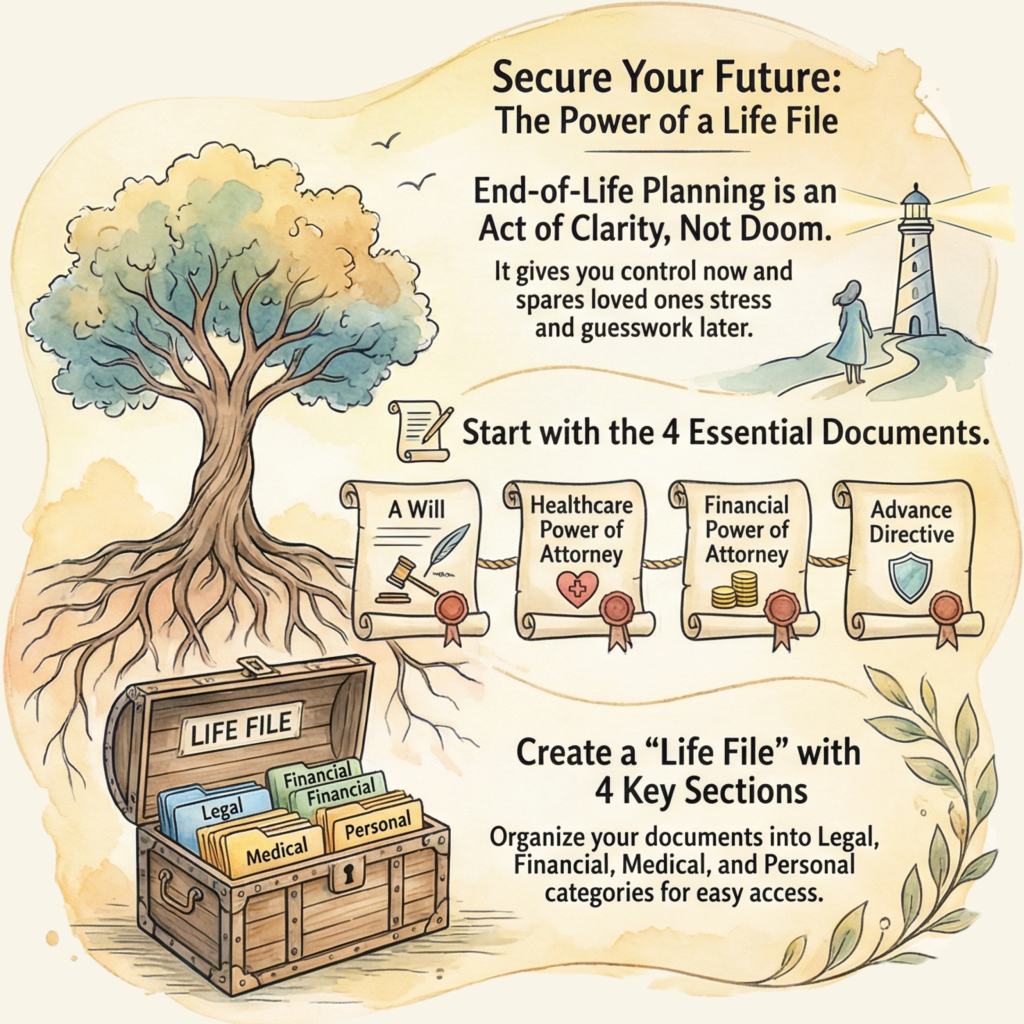
The Heart of It: End-of-Life Planning is not about doom. It’s about clarity. When your documents are in order and easy to find, you give yourself more control now, and you spare the people you love from stress later.
Talking about end-of-life stuff can hit you right in the chest, even if you’re practical, capable, and good at handling hard things.
It’s not just paperwork. It’s what the paperwork represents.
And still, getting organized can be one of the most loving things you do for yourself and for the people who would otherwise have to guess, scramble, and make decisions under pressure.
Is End-of-Life Planning just “death planning”?
No. End-of-Life Planning is about peace of mind, clear choices, and fewer decisions in a crisis. It gives you a way to say, “Here’s what matters to me,” and to make sure someone can carry out your wishes if you can’t speak for yourself.
Why End-of-Life Planning Feels So Hard (and Why That’s Normal)
You can know something is responsible and still avoid it.
That’s normal.
Most of the time, the hard part isn’t printing forms or calling an attorney. The hard part is the meaning you attach to it. The minute you think about these documents, your brain can leap straight to what ifs, even if you’d rather be thinking about vacation plans, your next creative project, or what’s for dinner.
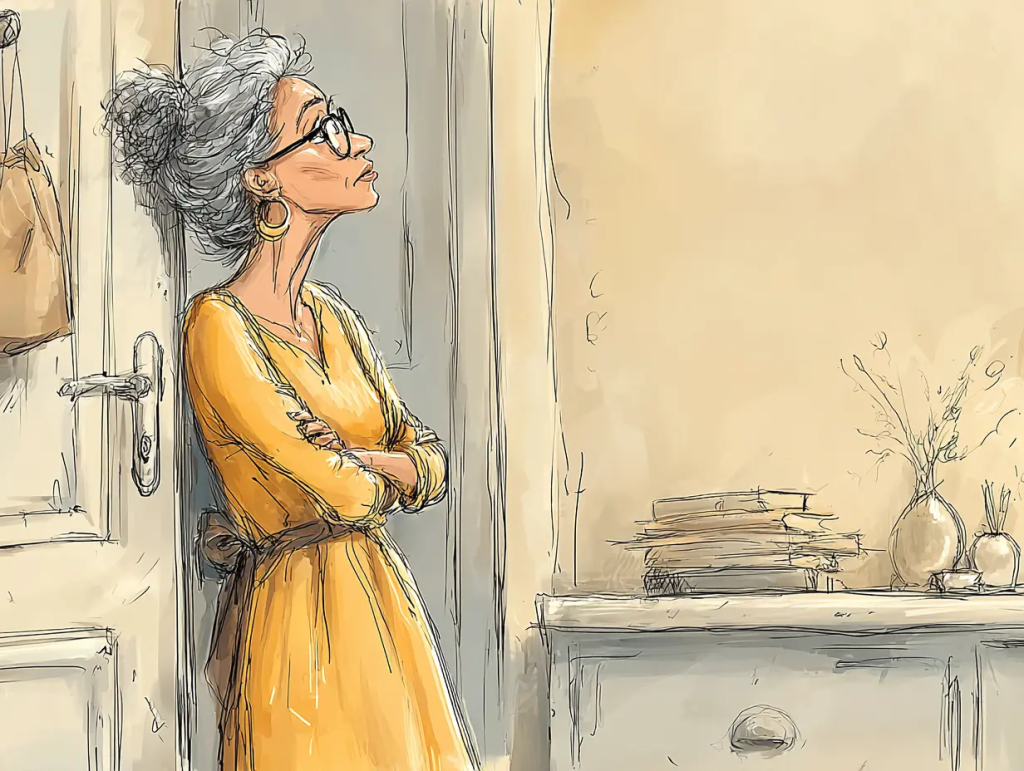
Here’s what often makes this feel heavier than it “should”:
- You’re not only planning, you’re facing uncertainty.
- You’re making choices you hope won’t be needed for a long time.
- You might be doing this without a partner as the default decision-maker, which adds pressure.
- You’re trying to be brave and realistic at the same time, which is a lot.
I’ve watched strong, organized women freeze on this topic, not because they can’t do it, but because it touches something tender inside. You’re not behind. You’re human.
The elephant in the room: it’s more than paperwork
It helps to name what’s true:
- It’s scary to think about “what ifs.”
- It can feel like admitting something you’re not ready to face, especially in midlife when you still feel like there’s more life to live (because there is).
- Avoiding it doesn’t erase reality; it just pushes stress into the future.
A simple reframe can help you move forward: one small step now means fewer headaches later, and fewer heartaches, too.

A gift for you!
Life Security Essentials Organizer
Get your essential info organized with calm confidence one small step at a time
Flip the script: this is an act of love, not a dark task
When you call this “death planning,” it can feel like you’re inviting something in.
When you call it what it really is, it becomes easier to start.

This is:
A roadmap for the people you love.
When emotions are high, clarity is a gift.
Control of your story.
You get to decide what happens, not leave it to chance or confusion.
Less stress for your loved ones.
They won’t have to guess what you wanted or argue about what you “would’ve said.”
A legacy of clarity.
Not a grand performance. Just clean, calm instructions.
Each document says, in its own way, “I thought about this, and I thought about you.”
The 4 essential documents for End-of-Life Planning (your Life File MVPs)
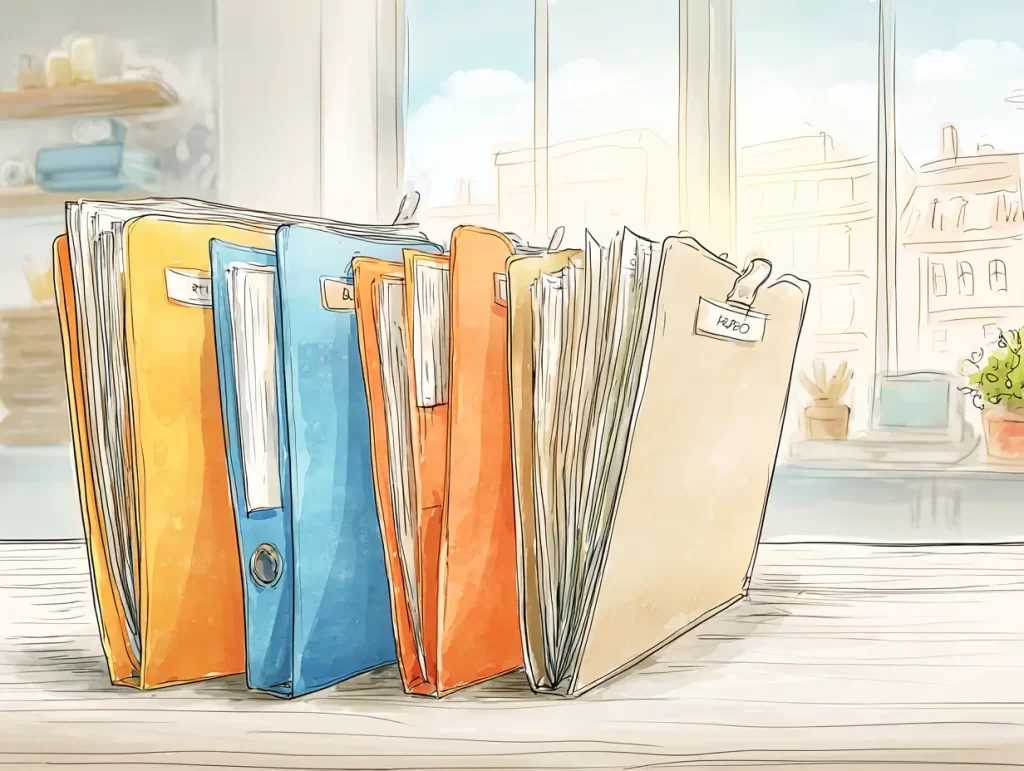
If you do nothing else, start with these four. Think of them as the core of your Life File, the minimum set that covers the biggest gaps.
You can always add more later. You can revise as your life changes.
For now, start with what gives you the most stability.
1) Last Will and Testament
A will is where you spell out who gets what and how after you die. Simple idea. Big impact.
It’s also one of the clearest ways to reduce confusion. Without a will, your state’s rules decide how your property is handled, and that may not match what you want.
A will can also be a place to name key roles, depending on your situation, like who should carry out your wishes (often called an executor). The main point is that it creates clear instructions instead of leaving people to sort it out in a fog of grief.
* Even if you have a trust, a pour-over will is still a good idea.
When I finally updated my own will, I didn’t feel “old.” I felt relieved. Like I’d closed 27 browser tabs in my brain.
2) Healthcare Power of Attorney
This document names someone to speak for you if you can’t speak for yourself.
It’s not only for end-of-life situations. It can matter after an accident, during surgery complications, or any time you can’t make or communicate medical decisions.
If you’re a solo midlife woman, this matters even more. Without a clear choice on paper, decisions can fall to default rules, or people may disagree about who should step in.
Choosing a healthcare decision-maker is not about predicting disaster. It’s about making sure your voice still has a way to be heard.
3) Financial Power of Attorney
This names someone who can manage money matters if you’re unable.
Think about everyday realities: paying bills, dealing with insurance, handling banking tasks, filing forms, managing rent or mortgage details.
If you become temporarily unable to manage these things, having a financial power of attorney can keep your life from becoming a pile of late fees and missed deadlines. It protects your future self, and it protects your credit, housing, and stability.
It can also protect your relationships, because it reduces the chance of a chaotic scramble where someone tries to “help” without clear permission.
4) Advance Directive (Living Will)
An advance directive (often called a living will) lays out your medical preferences in writing.
It’s where you clarify what you would want if you couldn’t speak, especially around serious illness and life-sustaining treatments.
You don’t need to fill it out with perfect words. You just need it to reflect your values and wishes, so your healthcare decision-maker isn’t forced to guess. If you want a credible overview of what these documents typically include, the National Institute on Aging has a clear guide to advance care planning.
Why these four matter most
These documents cover the biggest “what if” gaps:
- Who makes medical decisions.
- Who handles finances if you can’t.
- What medical care you want.
- How your property is handled after you die.
They are the backbone of End-of-Life Planning because they reduce uncertainty fast.
Bite-sized action steps (because you don’t need a weekend meltdown)
You don’t have to do this in one night with a pint of ice cream and a legal pad.
You can, but you don’t have to.
What works better is a series of short, focused sessions that keep you moving without overwhelming you.
A manageable plan you can actually follow
- Pick one document to start with. Choose the one that feels most urgent in your life right now. If you’re dealing with health concerns, start with healthcare. If you’re self-employed or managing everything alone, financial may come first.
- Make a quick checklist of what you need. Not the full plan, just the next few items (names, phone numbers, account info, questions to answer).
- Block 30 minutes on your calendar. A real appointment with yourself. One focused session.
- Tell one trusted person what you’re doing. Not for permission, for accountability. A simple, “I’m getting my documents in order this month,” can help you follow through.
Every step buys you more peace.
For me, the “start” was the hardest part. Once you’re in motion, you stop thinking of it as a scary topic and start treating it like a normal part of being an adult with a life worth protecting.
Build your Life File (your life’s instruction manual)
A Life File is exactly what it sounds like: a single place that holds the information someone would need if you weren’t available to explain it.
It’s not only about death. It’s about the real possibility of being temporarily unable to manage details.
If you already started creating your Life Security Plan, you are already on your way to creating your Life File. The Life File is the practical container that keeps your plan usable.

Step 1: choose a format you’ll keep up with
You have three workable options:
- Digital (easy to update, easy to duplicate, needs strong password practices)
- Physical (easy to flip through, needs safe storage)
- Hybrid (often the best option for real life)
The best format is the one you’ll maintain. That’s the whole test.
Step 2: create clear sections that match real-life needs
Think in categories people understand under stress. Here’s a simple structure that works for many women living solo:
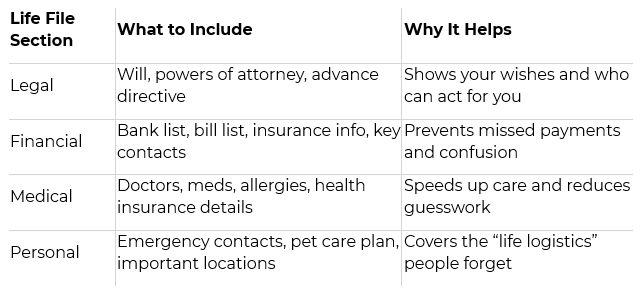
You can keep this lean at first. Add as you go.
Step 3: label it so someone can find things fast
This matters more than you think.
If your file is physical, use tabs or a simple binder with labeled sections.
If your file is digital, use folders with plain names (Legal, Medical, Financial), and a short “Read First” document that tells someone what they’re looking at.
Keep it easy at a glance. In a crisis, nobody wants to hunt.
Step 4: keep it current with one yearly check-in
Your Life File isn’t a one-and-done project. It’s a living system.
Do this instead of aiming for perfection:
- Write down the date you last updated it.
- Schedule a yearly check-in (your birthday month works well).
- Update what changed, then stop.
Also, make sure someone knows where it is. Not everyone, just someone you trust.
I like to think of this as future-you’s way of leaving present-you a note that says, “I handled it.” It’s a small kind of self-respect that pays you back later.
Reflect on your “why” (this is what keeps you going)
Before you go deeper, pause.
Not for drama. For direction.
When paperwork feels tedious or decisions feel big, your “why” is what keeps you moving.

Reasons this might matter more than you admit
Maybe you’ve seen what happens when someone leaves no instructions. Families can spiral into confusion fast, even when everyone has good intentions.
Maybe you want to feel grounded. Not because you expect the worst, but because you’re tired of carrying quiet mental clutter.
Maybe this is about your values. In a world that can feel out of control, this is one place where you get to decide what matters.
Hold onto your reason. Write it down if you want.
You’re not just planning. You’re creating meaning and stability.
For me, living alone carries a hidden responsibility: I’m my own safety net. Recognizing that truth isn’t sad, it’s clarifying.
Your next best step (progress beats perfection, every time)
Perfection is a trap here. It will whisper, “Wait until you have more time,” or “Wait until you feel ready,” or “Wait until you’ve researched every option.”
You don’t need perfect. You need forward.

Ask yourself three practical questions and answer them honestly:
- What’s one thing you could check off this week?
- Who do you trust to help, even if it’s just to sit with you while you fill something out?
- What would bring the most peace right now?
Then choose the smallest action that still counts.
That’s how this becomes doable.
Key Takeaways
End-of-Life Planning is about clarity and control, not doom.
The emotional weight is normal, because the topic carries meaning.
Start with four documents: will, healthcare power of attorney, financial power of attorney, and advance directive.
A Life File turns your planning into something usable in real life.
A 30-minute session is enough to make real progress.
Your quiet superpower
Taking control of End-of-Life Planning isn’t only practical. It’s an emotional gift to your future self and to anyone who might have to step in during a hard moment.
Start small. Keep going. Notice the relief each step creates.
And when you finish even one piece, let yourself feel it: you did something that matters.

3 Ways to Start Today
- Pick one document (the most urgent one), then schedule 30 minutes to begin.
- Create a Life File folder or binder with four tabs: Legal, Financial, Medical, Personal.
- Write your “why” in one sentence, and keep it where you’ll see it when you want to quit.
So . . .
What would you most like to have handled, just so you can breathe easier this week?
Join us on Facebook in The Reimagined Journey: Solo Midlife Women