Winter Home Maintenance Checklist
Simple Steps for a Safer, Warmer Season
The Heart of It: Winter can be tough on your home, but a little preparation goes a long way. By tackling key winter home maintenance tasks now, you protect your safety, reduce stress, and create peace of mind.
Winter has its own rhythm: colder days, earlier sunsets, and a few unwelcome surprises like frozen pipes or icy walkways.
If you live alone, that can feel like a lot. Not because you can’t handle it, but because there’s no built-in second set of eyes to notice the draft, the slippery step, or the “Is that sound normal?” furnace moment.
But a bit of prep now? It’s like layering your home in a cozy sweater. You’ll be ready for whatever winter brings with less stress and fewer “uh-oh” moments.
What should you prioritize first for winter home maintenance?
Start with life safety (smoke and carbon monoxide alarms), then heat (your heating system working well), then slip hazards (ice melt and clear paths). After that, focus on drafts and pipes, then stock a small comfort and outage kit so you’re not scrambling during a storm.
Why winter prep matters more than you think
Cold weather has a way of putting pressure on everything. Your house, your budget, your schedule, your patience.
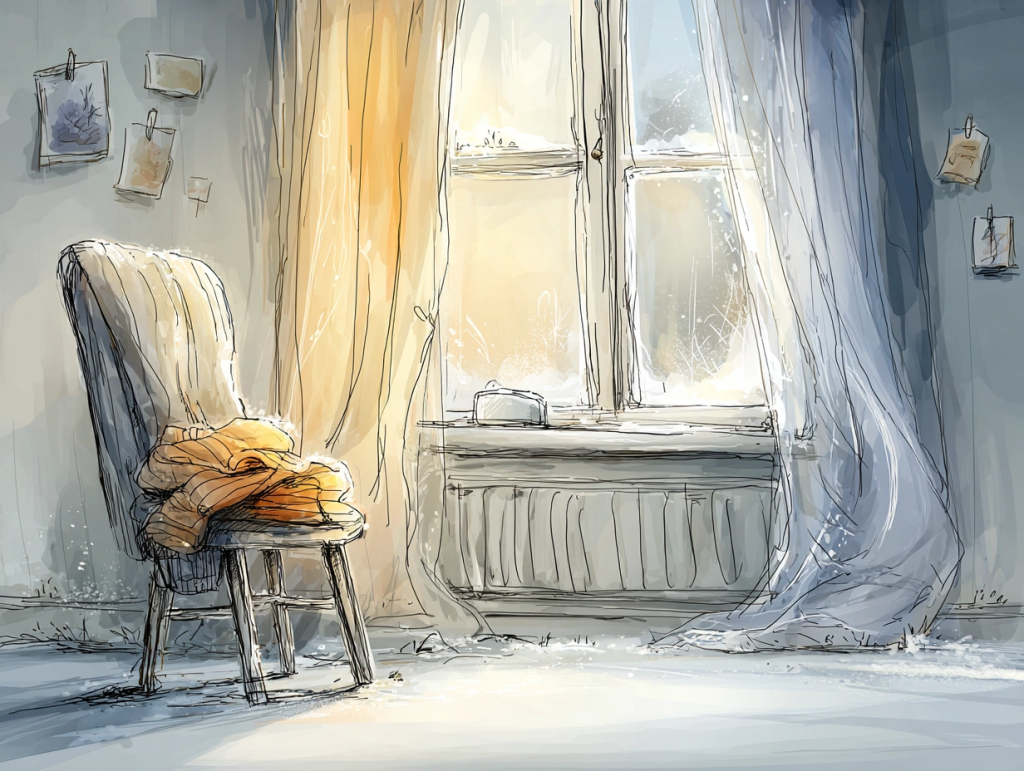
A leaky window in July is annoying. In January, it steals heat all night long and keeps your system working overtime.
A furnace filter that’s “probably fine” in the fall can push your heating system into trouble during a cold snap, right when you need it most.
Here are a few winter trouble spots that tend to show up at the worst time:
- Drafts that spike your heating bill
- Ice on steps and walkways that raises your fall risk
- Pipes that freeze when temperatures drop fast
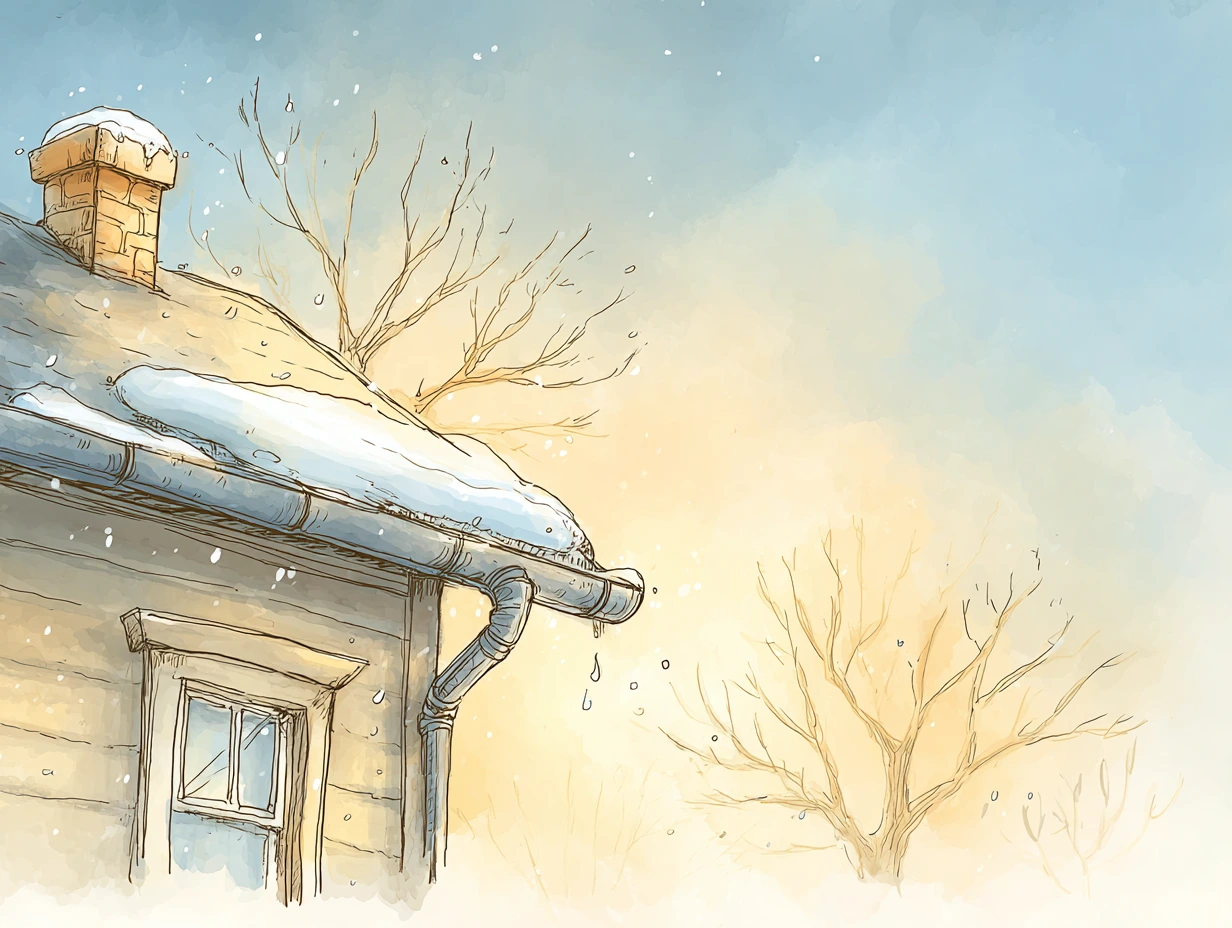
- Gutters that trap water, then turn into ice problems
- Low fuel levels (propane, pellets) when deliveries get delayed
I’ve learned this the hard way. After a heavy snowstorm, the chimney on our pellet stove started leaking. Melted snow dripped in, turned the pellets into soggy mush, and suddenly the heat plan was not a plan. We also forgot to check propane levels and paid extra for emergency delivery.
This is why winter prep works so well: you handle a few key tasks on your terms, instead of dealing with them in a rush.
Taking small steps now keeps winter safer and a whole lot more manageable.

A gift for you!
Life Security Essentials Organizer
Get your essential info organized with calm confidence one small step at a time
Safety first, because peace of mind starts here
Safety tasks aren’t the most fun. They also give you the fastest relief once they’re done.
When you know your detectors work, your heat is reliable, and your entryway isn’t a slip hazard, you stop bracing for the “uh-oh” moment. Your body relaxes.
Smoke and carbon monoxide detectors (quick, non-negotiable)
If you do one thing today, do this.
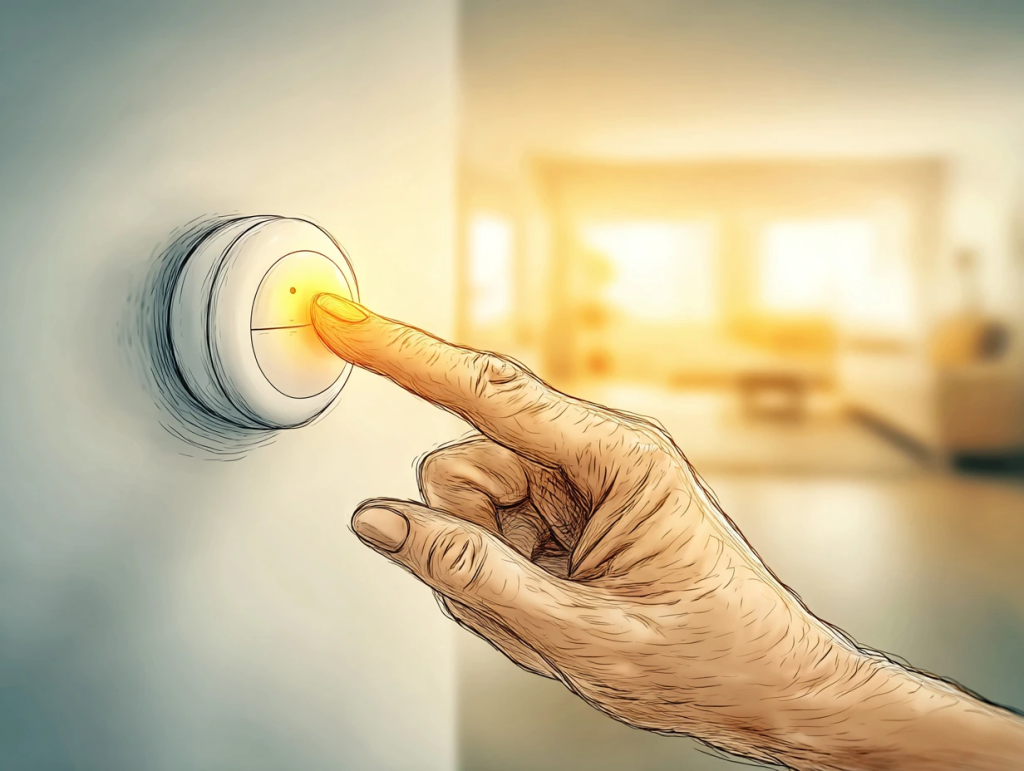
Smoke and carbon monoxide detectors are your quiet backup, especially at night. Test them now, not when you smell something odd or wake up feeling off.
A simple way to knock this out:
- Press the test button and listen for the alarm.
- Replace batteries if the sound is weak or if you can’t remember the last change.
- Keep spare batteries in one consistent place (same drawer every time).
If you use a fireplace, wood stove, pellet stove, or gas appliances, carbon monoxide awareness matters even more. For a deeper overview of carbon monoxide risks and prevention, see the CDC carbon monoxide safety guidance.
This is one of those tasks I put on my personal “no skipping” list, and I tend to do it more than once a year. In my own seasonal reset, I’d rather spend five minutes pressing test buttons than lose sleep wondering if everything is okay.
Heating system check (so your house can do its job)
Winter is not the time to find out your system is struggling.
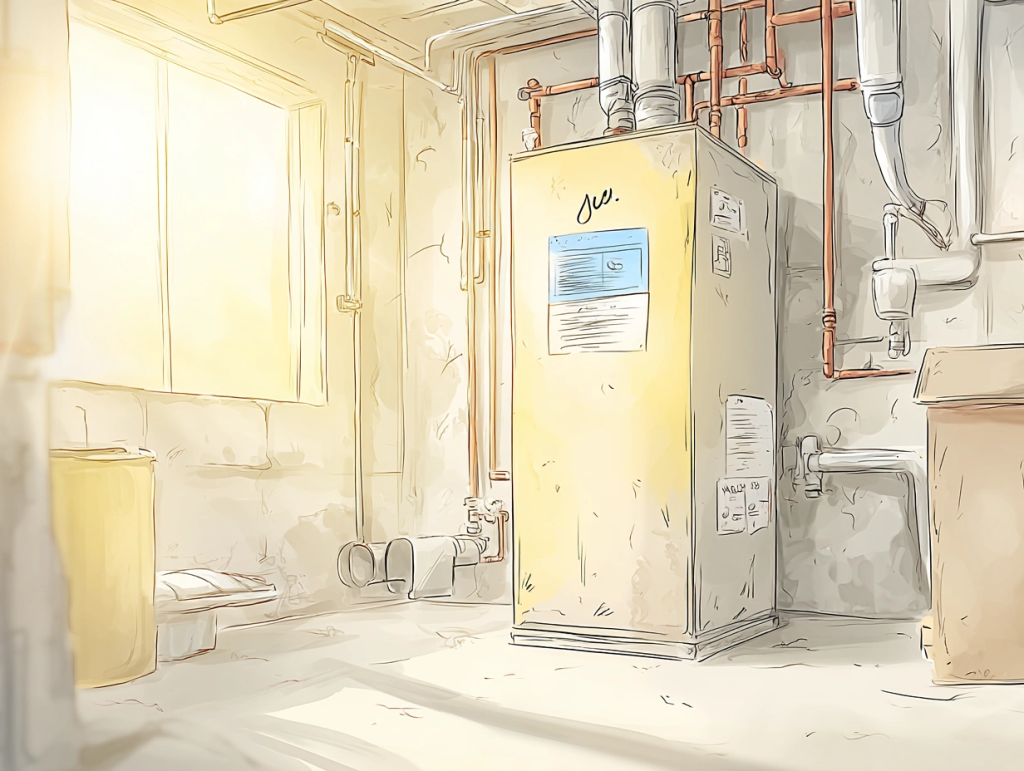
Have your heating system inspected or serviced if you can, especially before deep cold sets in. If you can’t schedule service right away, you can still do a basic check:
- Make sure vents aren’t blocked by furniture or rugs.
- Listen for new noises, rattles, or uneven airflow.
- Replace your filter if it’s dirty or overdue.
Comfort is emotional, but it’s also practical. Steady heat makes everything easier, including your mood, your sleep, and your ability to think clearly when weather turns.
In my work, I see how often “home stress” is really nervous system stress. When heat, light, or basic safety feel uncertain, everything else tightens. These aren’t luxuries. They’re what allow the body to relax enough to think clearly.
Ice and slips, the kind of risk nobody wants
Falls happen fast. They’re also one of the biggest winter hazards, even in places where snow is rare. Ice forms on steps, walkways, and driveways anywhere temperatures dip overnight, especially after rain or early-morning frost.
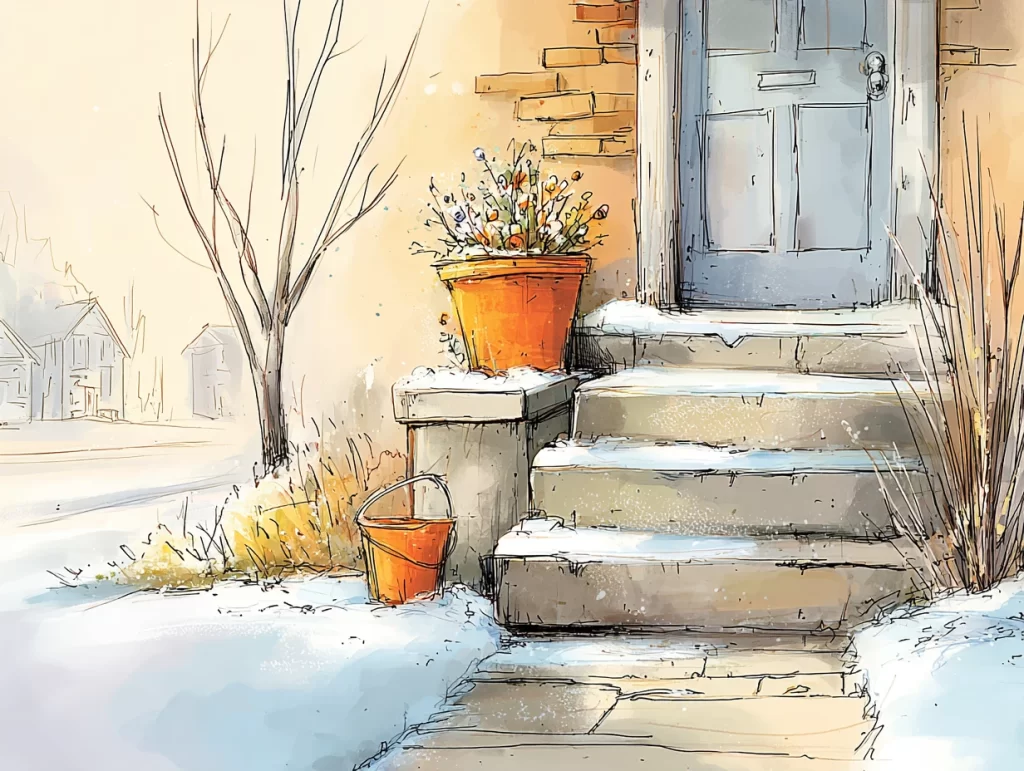
Stock salt, sand, or ice melt before you need it. Put it where you’ll actually grab it, like by the door, in a mudroom, or near the garage entry.
If you want a simple habit that pays off all winter, it’s this: check your steps and paths first thing in the morning. Clearing a safe walkway early, even a narrow one, beats discovering ice the moment your foot goes out from under you.
Protecting your space, so winter can’t sneak in
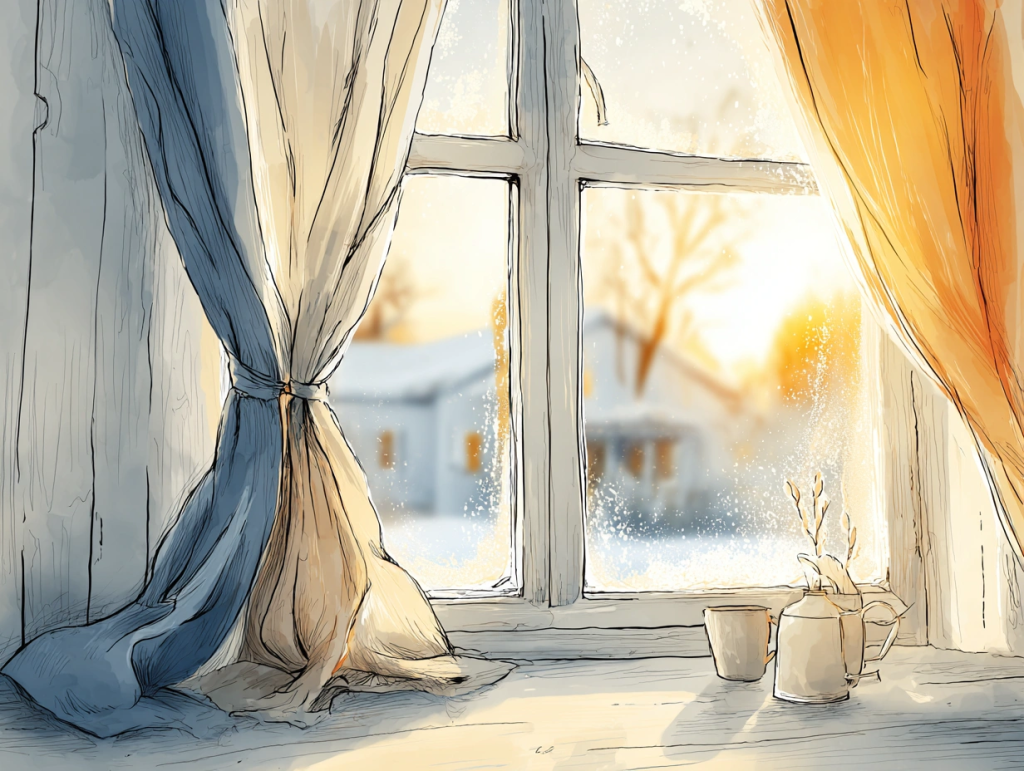
Think of this part as giving your home its own winter coat. Not a full renovation, just targeted protection in the places where cold and moisture love to creep in.
Weatherproof doors and windows (save heat without a big project)
Drafts don’t just make you cold. They keep your heating system running longer, which shows up on your bill.
Start with what you can see and feel:
- Run your hand along the edges of doors and windows on a windy day.
- Notice where curtains move, or where you feel a cold stripe on your ankles.
- Pay attention to any room you avoid in winter because it feels “always chilly.”
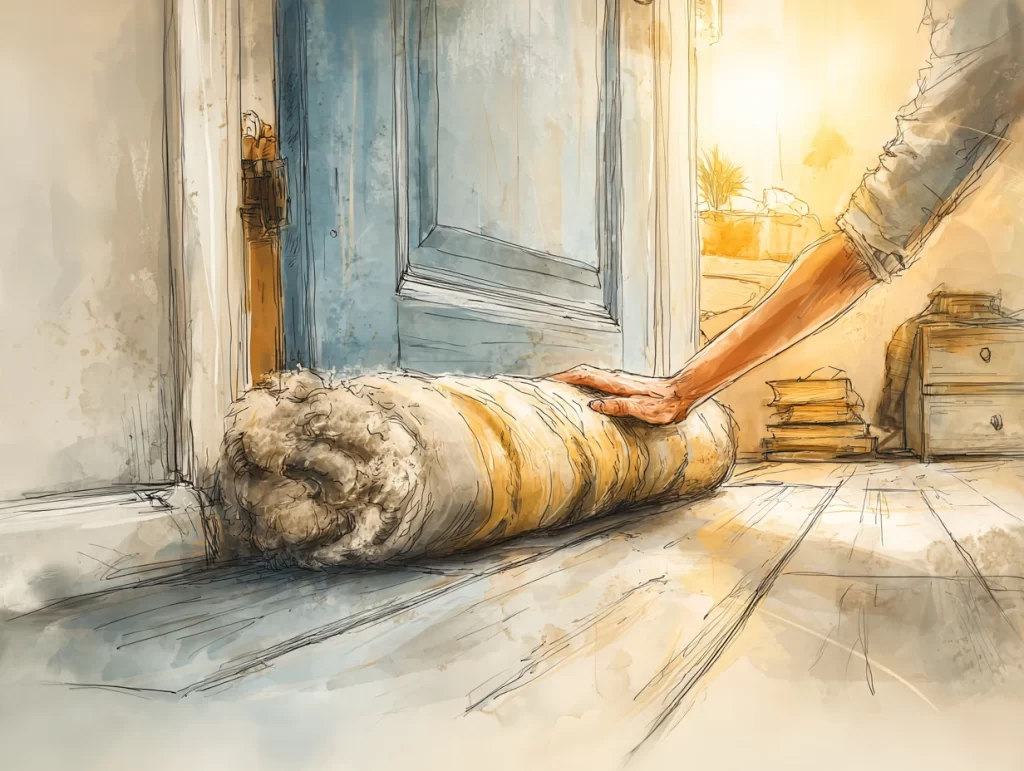
Simple fixes that work well:
Draft stoppers: Use a store-bought one, or roll up a towel and place it along the bottom of a drafty door.
Window insulation kits: These can help in older homes or rooms with stubborn drafts.
Thermal curtains: Great for bedrooms and living rooms where you spend most of your time.
You’re not trying to make your home perfect. You’re trying to make it predictable.
I keep my winter checklist short on purpose. I’ve learned that long lists create avoidance, not readiness. When I can finish in one afternoon, I actually follow through.
Gutters, pipes, and vents (the quiet damage prevention zone)
These aren’t glamorous tasks, but they’re where winter damage often starts.
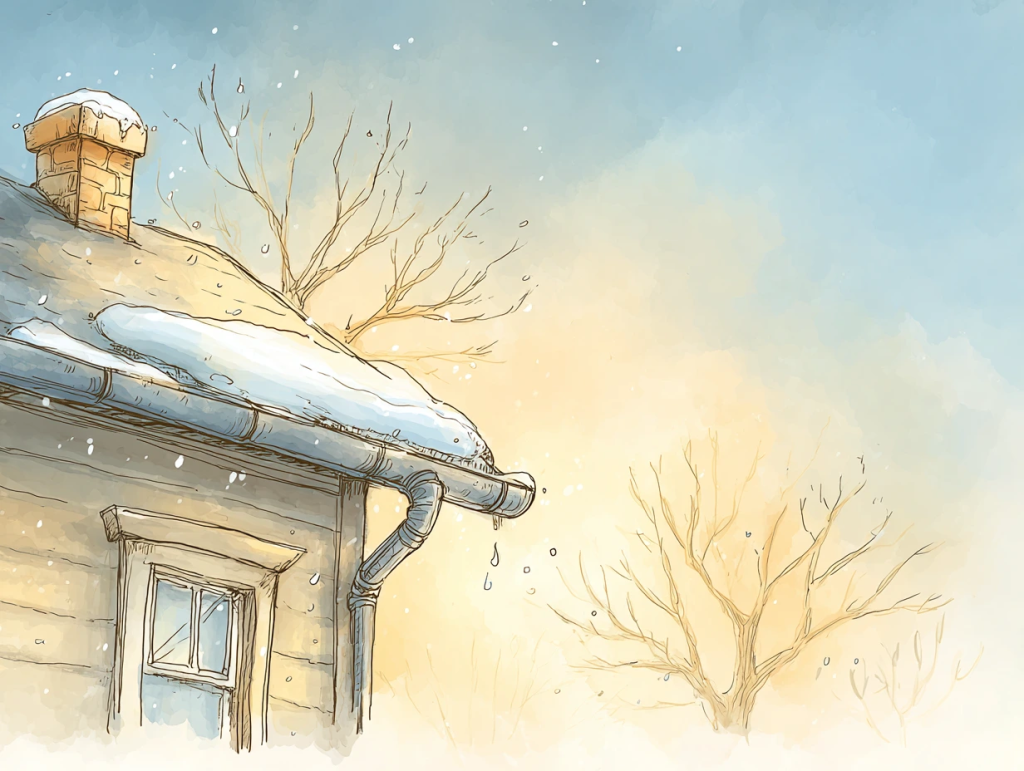
Gutters: If you have them, clear them before snow and ice arrive. When gutters are clogged, water can back up and freeze. That can lead to leaks, ice buildup, and headaches you did not schedule.
Pipes: Wrap exposed pipes where you can, especially in basements, crawlspaces, garages, or exterior walls. Frozen pipes can become burst pipes, and that’s a lot of chaos in one day.
Vents: Keep vents clear of snow or debris. After storms, do a quick walk-around if it’s safe, just to make sure your home can breathe and vent properly.
If you want a bigger checklist to compare against, you can scan a detailed winterizing list like HomeLight’s home winterization checklist. Use it as a menu, not a mandate. Pick what fits your home and your energy.
Comfort counts, because you live here
Safety is essential. Comfort is what carries you through the long nights, the gray afternoons, and the weeks when the weather keeps you inside more than you’d like.
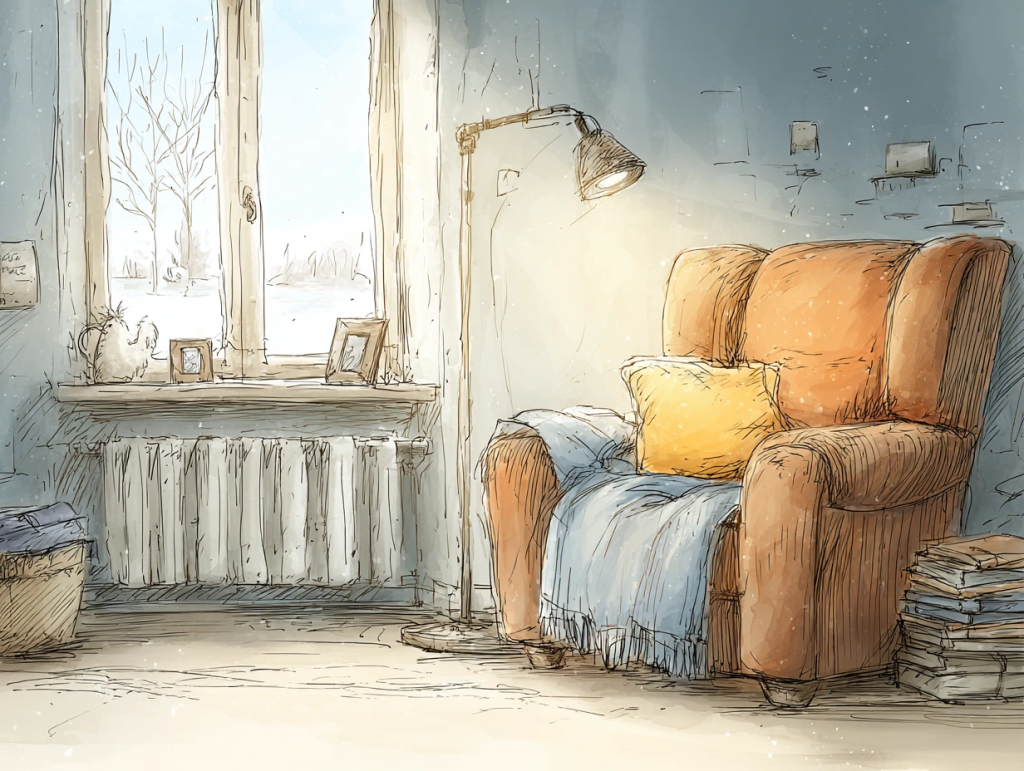
This is the part of winter prep that feels like self-respect.
Plan for outages and “stuck at home” days
Power outages are stressful mostly because they turn basic life into a scavenger hunt. You can make it easier with a few checks now.
Do a quick home walk-through:
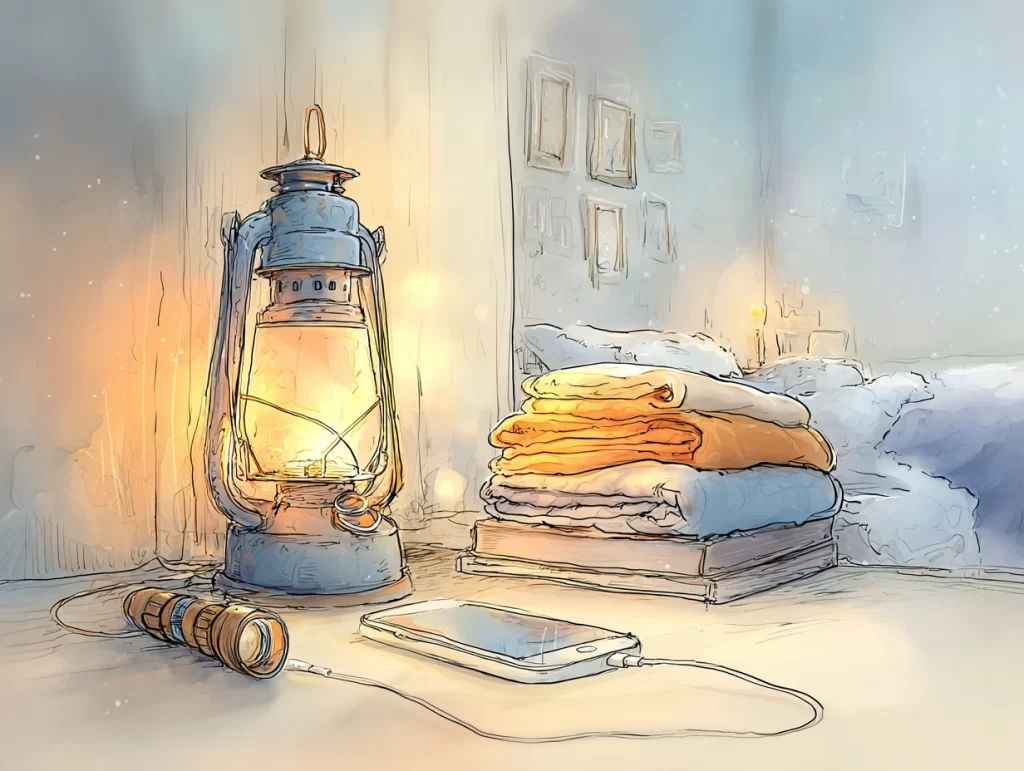
- Blankets and warm layers: Keep extras within reach, not buried in a bin.
- Light sources: Check flashlights, lanterns, or battery-powered lights. Replace batteries if needed.
- Phone charging: Make sure you have a way to keep your phone charged if power goes out.
- Simple heat backup: If you use a space heater, make sure it’s in good shape and used safely.
If you rent, you may not control the building’s systems, but you can control how ready you feel inside your own walls. For practical ways to cut heating costs and keep your place warmer, see Rentec Direct’s heating tips for renters.
I prepare for power outages ahead of time so I’m not scrambling in the moment. I keep a charged EcoFlow RIVER 2 portable power station ready to go. It even has a solar panel, so I’m not worrying about it running down when I need it most. Reducing decisions when it’s dark and cold is one of the quiet ways I take care of myself.
Stock your pantry like you’re taking care of Future You
Winter cooking doesn’t need to be fancy. It needs to be reliable.
Keep a small stash of simple, nourishing meals and a few “I can eat this even when I’m tired” options. Think soups, oatmeal, pasta, rice, canned beans, tea, or whatever feels steady in your body. If outages are a possibility, pair these foods with a safe, non-electric way to heat water or warm a meal.

Then add a small comfort stash, because emotional warmth matters too:
- Books you actually want to read
- A puzzle or simple craft
- Hot chocolate, tea, or your favorite soup mug
- Something that makes the room feel pleasant, like a lamp you love
Every winter, I make a small cozy corner at home. A treasured handmade quilt from a dear friend, my current book, and something warm to drink. It’s not about decoration. It’s about having a place that’s ready when winter asks me to stay put.
If you rent, focus on what you can control
Renting can add an extra layer of stress in winter because some fixes are not yours to make.
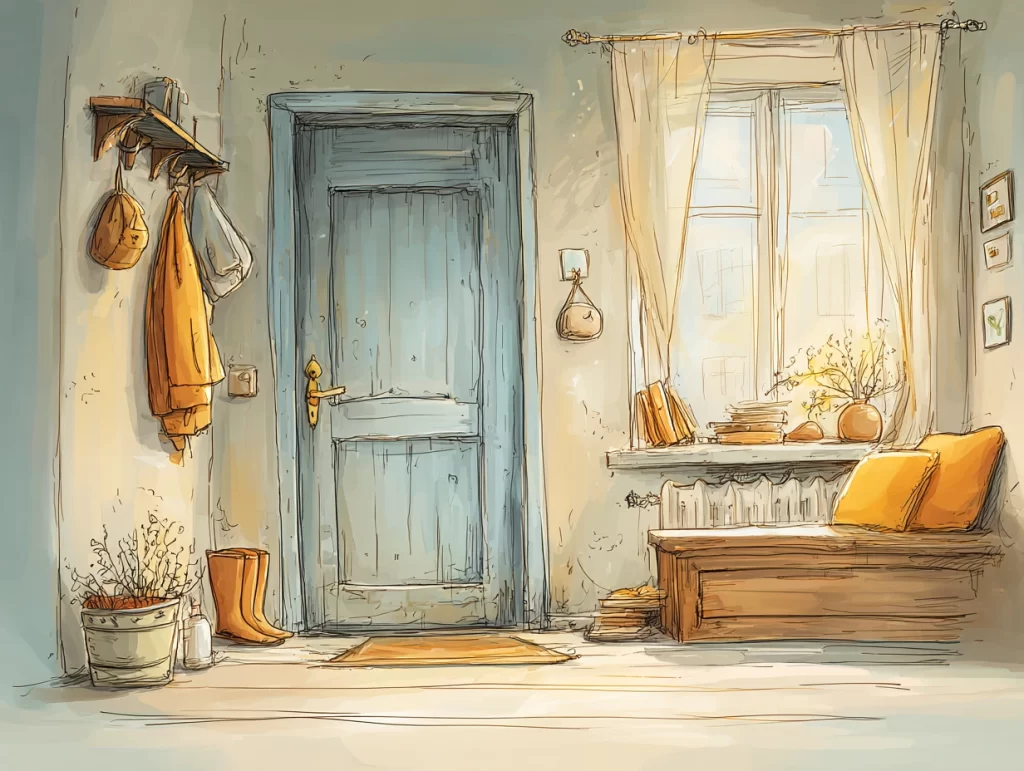
You can still do a lot.
Start by asking your landlord or property manager about the basics: furnace checks, exterior maintenance, and any known issues that show up in winter. Keep it straightforward and specific.
Then handle your side of the equation.
A renter-friendly winter readiness list
Here’s what tends to give renters the biggest payoff for the least effort:
Block drafts: Thermal curtains, draft stoppers, or rolled towels can make a surprising difference.
Know your shutoffs: Learn where the water shutoff is, and gas shutoff if you have it. You hope you never need it, but knowing lowers panic.
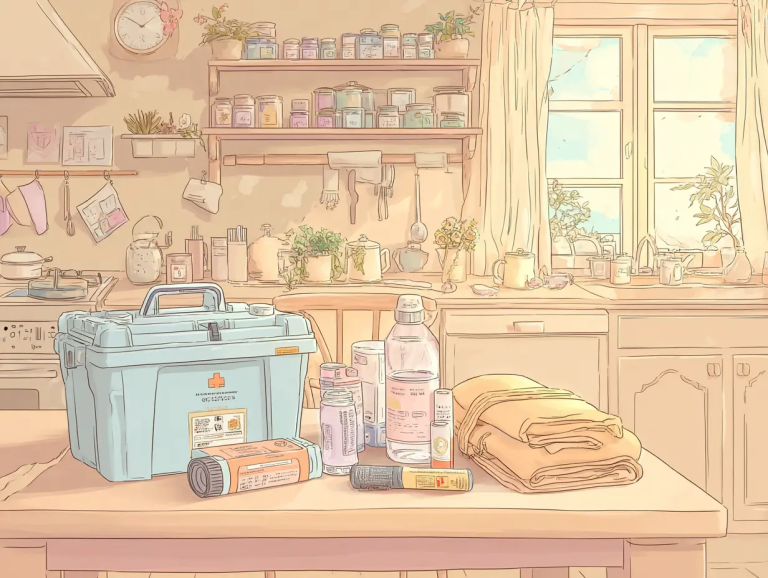
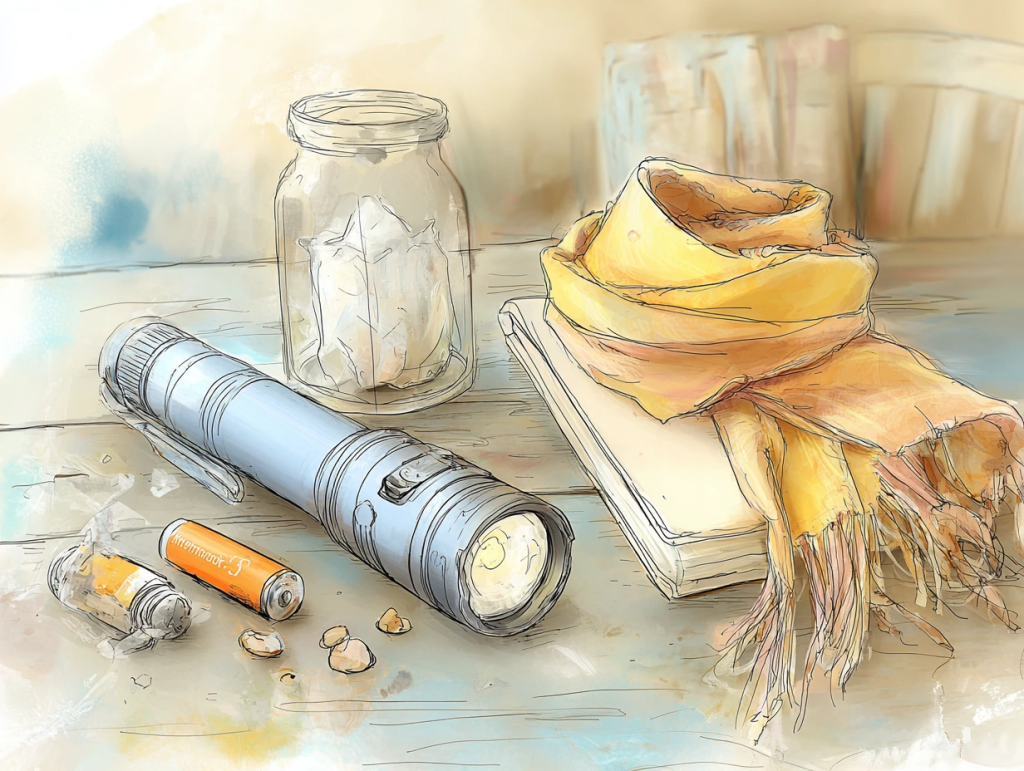
Create a mini-emergency kit: Flashlight, backup batteries, extension cord, and a safe space heater if you use one.
Keep a clear entry path: If you’re responsible for your steps or porch, keep ice melt on hand and use it early.
One of the reasons I choose to rent is knowing I don’t have to handle everything alone. I focus on what I can manage, and I rely on property management for the rest. That division of responsibility brings real peace of mind.
What if you’re overwhelmed and can’t do all the winter prep?
Pick one task in each category, safety, heat, and access. Test detectors, confirm your heat is working well, and make your entry safer with salt or sand. That’s enough to shift you from worry to readiness, and you can add more later.
Make your winter home maintenance plan doable (and repeatable)
You don’t need a perfect system. You need something you’ll actually use.
A short checklist you repeat each year beats a long list you avoid.
Try this approach:
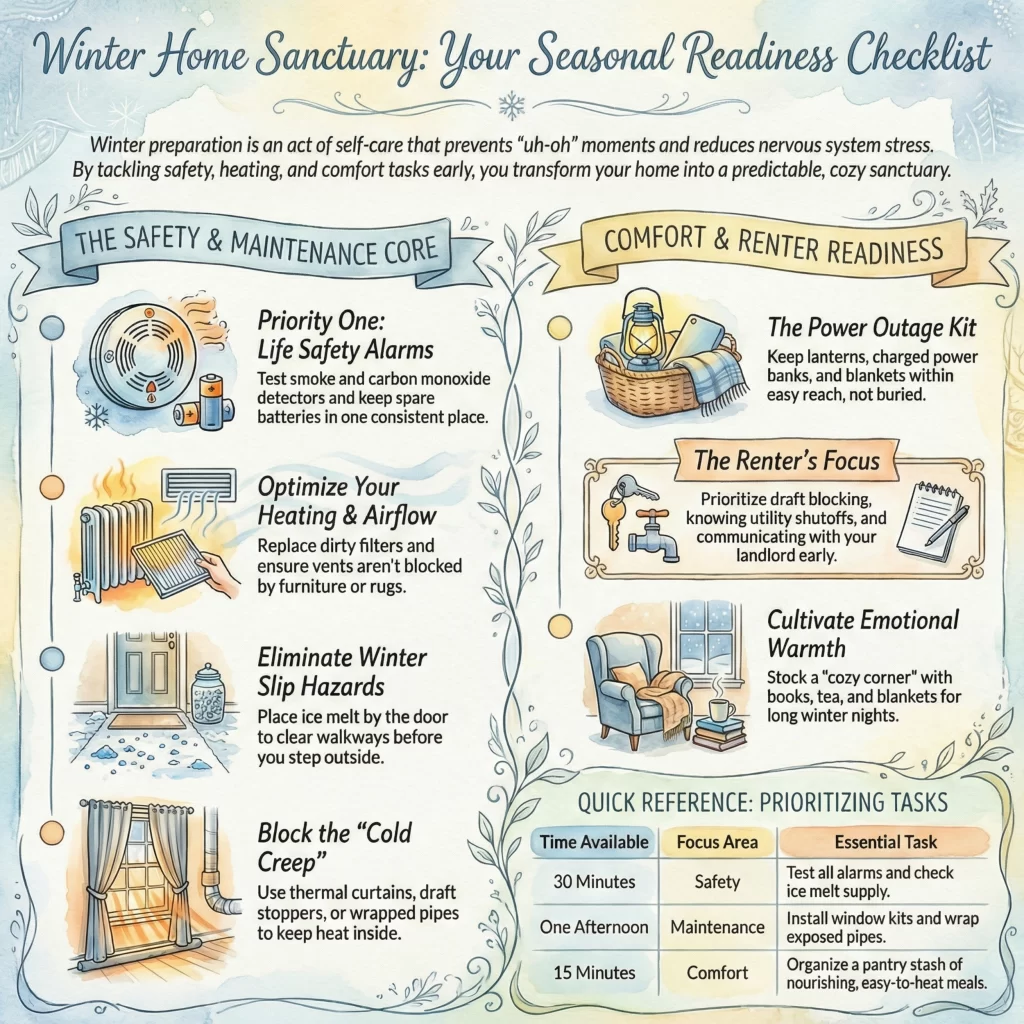
Step 1: Choose your “must-do” list (30 minutes total)
Detectors, heat check, ice melt at the door.
Step 2: Choose your “nice-to-do” list (one afternoon)
Draft stoppers, window kit in one room, wrap exposed pipes, clear gutters if you have them.
Step 3: Choose your “comfort list” (15 minutes at home)
Blankets accessible, pantry basics, lights checked, cozy corner ready.
Over time, winter prep becomes part of your rhythm. Part of how you care for your home, and part of how you care for yourself.
Key Takeaways
Winter makes small home problems feel bigger, so early prep saves stress later.
Safety comes first, detectors, heat, and slip prevention.
Protect your home from drafts, ice buildup, and frozen pipes with simple fixes.
Comfort planning helps you feel steady during storms and dark evenings.
If you rent, focus on drafts, shutoffs, and a small emergency kit, then ask for the big items.
3 Ways to Start Today
- Test your smoke and carbon monoxide detectors, then replace batteries if needed.
- Pick up a bag of salt or sand and put it where you’ll use it.
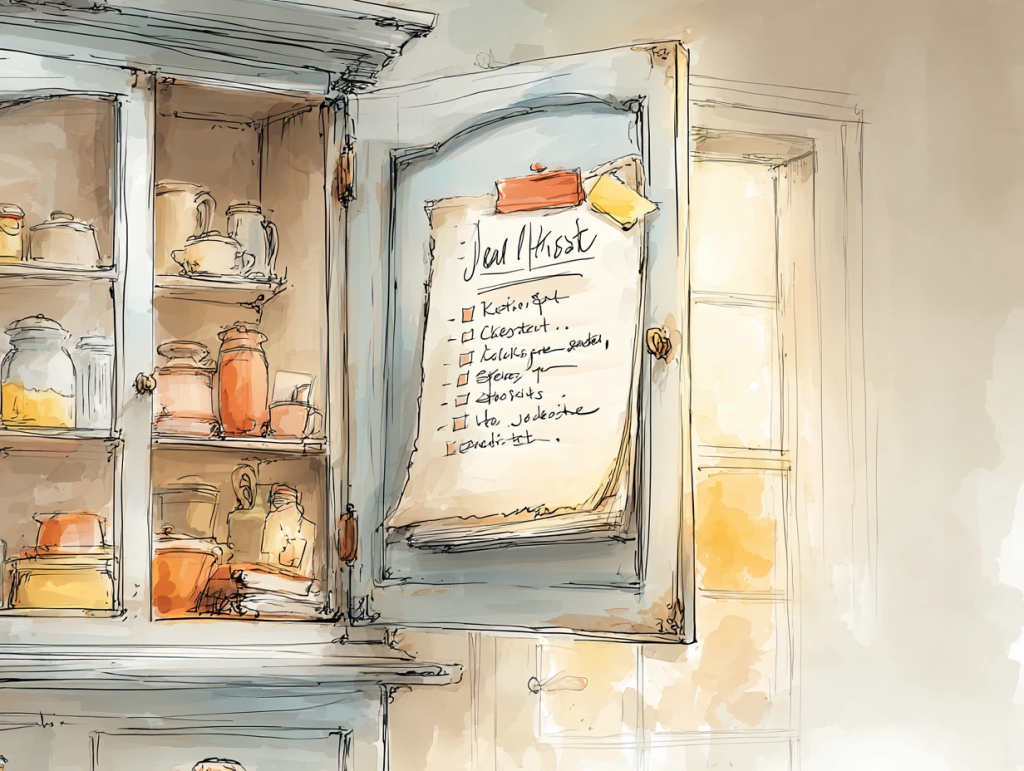
- Write a short winter checklist, just enough to feel ready, and tape it inside a cabinet door.
Winter doesn’t need you to be perfect. It needs you to be prepared in a few key ways, so you can relax into the season instead of bracing against it. Peace of mind is built one small task at a time.
So . . .
What’s one winter prep step you can do this week that would make your home feel safer and simpler?