Creating Your Winter Emergency Kit
Practical peace of mind for the coldest season
The Heart of It: Preparing a winter emergency kit isn’t about fear. It’s about clarity, comfort, and the quiet confidence that you can handle whatever winter brings.
Snowstorms. Power outages. Icy roads. Winter has a way of reminding us just how little control we have. But preparation flips the story. Instead of waiting for a crisis, you create peace of mind ahead of time.
Think of your emergency kit as a warm blanket for your future self, one that says, I’ve got you covered.
Why Preparation Matters More in Winter
Cold weather amplifies everything. A power outage in July is inconvenient (except maybe in Phoenix or Palm Springs). In January, it can be dangerous — even in places that rarely see snow. Winter emergencies don’t look the same everywhere.
If you live in the north, it might mean blizzards and frozen pipes. In the desert Southwest, it’s more likely to be cold rain, icy roads, or unexpected freezes that strain older heating systems. Wherever you are, the goal is the same: reduce risk, reduce stress, and create a bit of peace of mind before the season settles in.
One winter when I lived on the Hopi Reservation, a terrible snowstorm knocked out my power for two days. Because I had a kit ready, what could’ve been frightening turned into a surprisingly cozy weekend by candlelight.
Preparation isn’t about expecting disaster. It’s about recognizing how quickly comfort can shift — and knowing you’re ready to meet it. That foresight is a quiet act of care, both for yourself and anyone who might depend on you.
Essentials for Safety
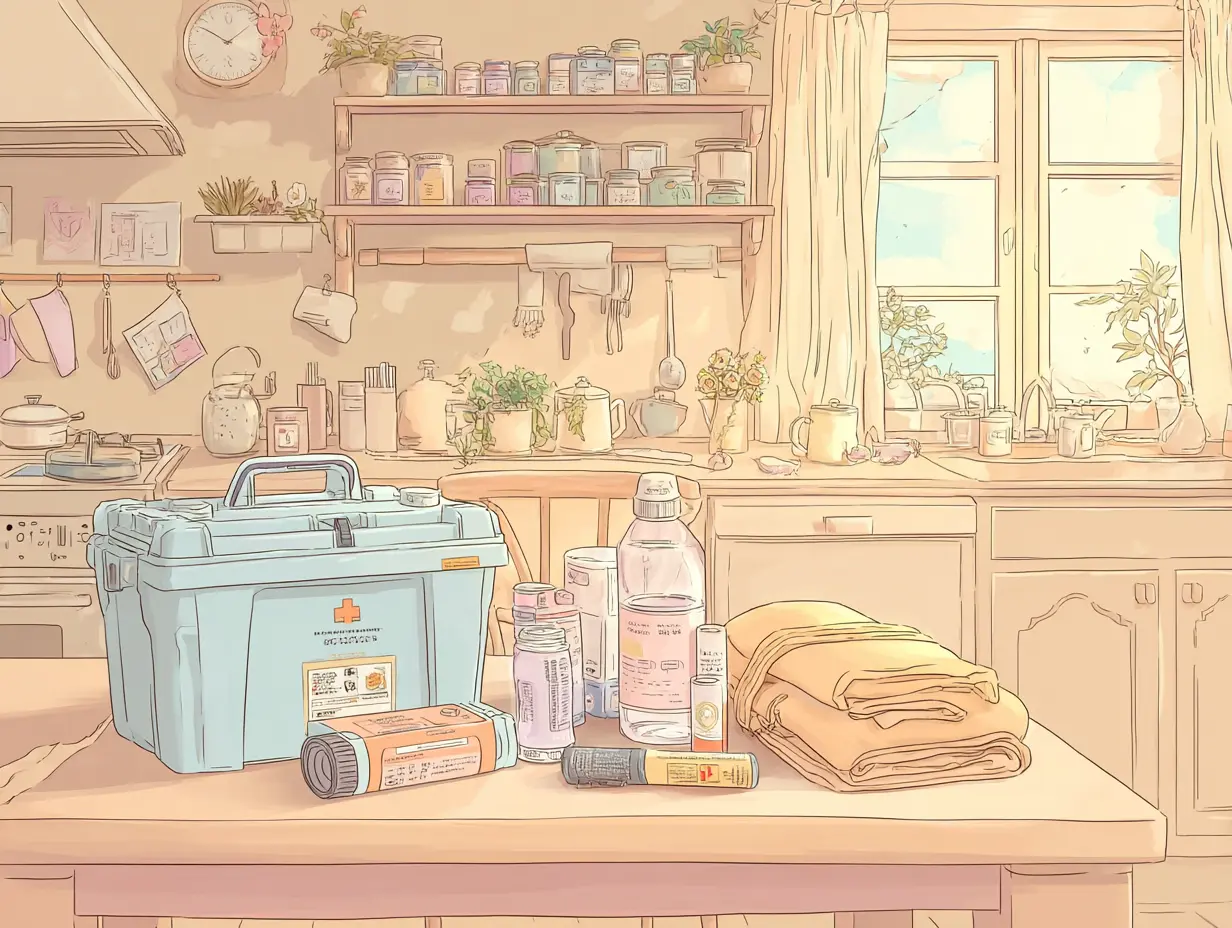
Start with basics that cover warmth, light, and health. Think:
- Flashlights, batteries, and candles (plus matches or a lighter)
- Bottled water and non-perishable food — enough for at least three days
- Medications and first-aid supplies
- Extra blankets, hats, and warm clothing
- A charged power bank for your phone
If you drive regularly, consider adding a car kit: a small shovel, ice scraper, gloves, a flashlight, and an emergency blanket. And if you live where it snows, toss in a bit of kitty litter — it’s one of those old-fashioned tricks that still works when tires start to spin.
These aren’t luxuries, they’re lifelines.
Comfort Matters Too
An emergency kit doesn’t have to feel stark. Add items that bring calm and comfort:
- Herbal tea bags or instant coffee
- A favorite book or deck of cards
- A notebook and pen
- Cozy socks or a soft scarf
- A candle with a scent that feels like home
Sometimes it’s the small comforts that make the biggest difference in your resilience.
I always tuck a deck of cards and a travel art set into my kit, along with an old quilt. Comfort counts as much as supplies.
Keeping It Accessible
Your kit won’t help if you can’t reach it. Choose one bin, basket, or shelf and label it clearly. Store it where you can easily grab it — not buried behind holiday decorations in the attic.
I keep mine in an old washstand cabinet in the living room. I know exactly where it is, even in the dark.
You might even keep a smaller “grab-and-go” version near your bed for middle-of-the-night power outages — flashlight, phone charger, slippers, and a robe. A few thoughtful touches can keep panic at bay when the lights go out.
Seasonal Maintenance
Preparation isn’t one-and-done. Review your kit twice a year — once before winter and once in spring. Check batteries, expiration dates, and clothing sizes. If you use something midseason, replace it right away so your kit stays complete.
Keeping it up to date is like keeping a promise to your future self: You’re safe. You’re prepared. You’re cared for.
3 Ways to Start Today
- Pick one shelf or bin and designate it for your kit.
- Add three items you already own — no shopping required.
- Set a seasonal reminder in your phone to check your kit.
So tell me . . .
What’s one small step you will take today to make your winter feel more secure?
FAQs

A gift for you!
Life Security Essentials Organizer
Get your essential info organized with calm confidence one small step at a time