Living the Wheel of the Year (When You Live Alone)
Finding rhythm, meaning, and magic in the seasons
The Heart of It: The Wheel of the Year offers a way to mark time with intention. Even if you live alone, you can anchor yourself in seasonal rhythms — not through elaborate rituals, but with simple acts that connect you to nature, your story, and your purpose.
There’s something quietly powerful about marking time with intention. Not because the calendar tells you to, but because your spirit feels the shift — the light changes, the air smells different, something inside you stirs.
Living alone can make these moments feel quieter, like no one else notices so maybe they don’t matter. But they do matter. The Wheel of the Year is one way to honor that truth: a soul-rooted rhythm that helps you reconnect with the cycles of life, no matter who is (or isn’t) around your table.
When I first began noticing the Wheel, I wasn’t trying to do it perfectly. It was just one candle lit on a chilly evening, one journal page scribbled in October, one slow breath under the turning leaves. Over time I realized: it wasn’t about rules or rituals. It was about presence.
What Is the Wheel of the Year?
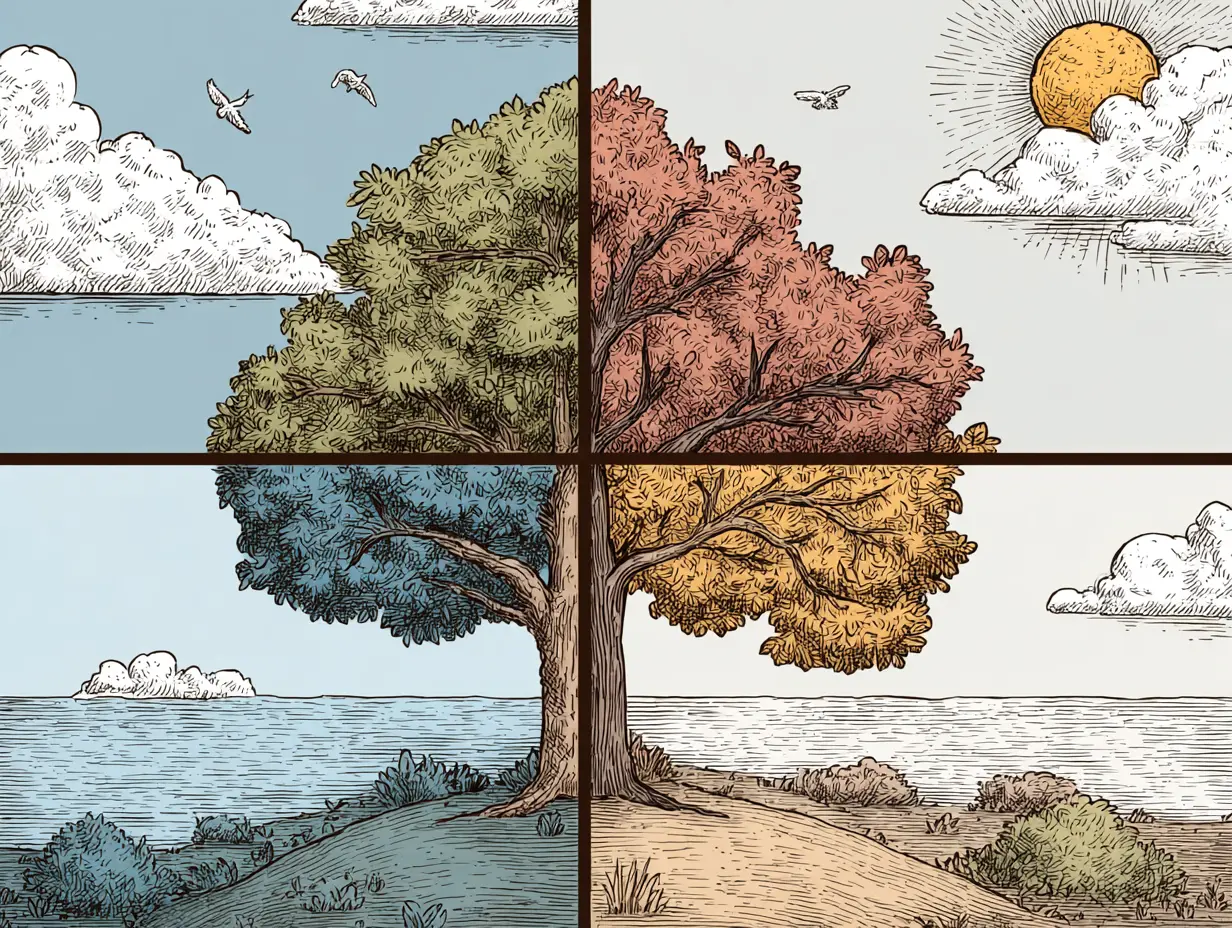
The Wheel of the Year is a Celtic-rooted way of honoring the natural cycles of light and life. It marks eight seasonal thresholds; times of growth, release, stillness, and celebration.
But here’s the important part: you don’t need to follow any specific spiritual path to walk the Wheel. Think of it as a mindfulness framework — a seasonal way of paying attention. You can keep it entirely secular, or you can layer in your own practices if that feels meaningful. At its heart, the Wheel is simply about pausing to ask: Where am I in the cycle? And what does this moment ask of me?
When I first started pausing to notice the seasonal shifts, I realized those small rituals gave me something I hadn’t expected — a transitional space for reflection and intention, a way to mark the change instead of rushing past it.
The Eight Festivals at a Glance
Here’s a soulful overview of the Wheel’s turning points. Each one marks a threshold in the year, like a doorway you step through:
- Samhain (Oct 31–Nov 1) — Endings, ancestors, quiet reflection. A time to release and remember.
- Winter Solstice (Yule) — The longest night, rest, and welcoming the return of light.
- Imbolc (Feb 1–2) — First light, tiny stirrings, seeds of intention.
- Spring Equinox — Balance, beginnings, planting what matters.
- Beltane (May 1) — Creative fire, growth, connection, beauty.
- Summer Solstice — Brightness, celebration, honoring peak energy.
- Lughnasadh (Aug 1) — First harvest, gratitude, tending what you’ve grown.
- Autumn Equinox — Balance again, letting go with grace, turning inward.
These aren’t just dates on a calendar. They’re reminders that life moves in cycles. And each one offers a chance to pause, notice, and honor where you are.
Walking the Wheel (Your Way)
You don’t need to “celebrate” each day on the Wheel like a holiday. Instead, think of them as markers: opportunities to pause and reflect. This can be as simple or as creative as you like.
Try one of these small, mindful practices:
- Light a candle and journal: What am I releasing? What am I growing?
- Take a walk and gather seasonal symbols like leaves, stones, or wildflowers.
- Cook a simple meal with seasonal foods.
- Create a small altar or vignette with found objects that represent the season’s energy.
These acts don’t have to be rituals in a religious sense. They’re simply ways of noticing and being present. If you have spiritual traditions, you can weave them in. If not, these simple practices stand beautifully on their own as mindful markers of the seasons.
Some seasons, my ritual is as simple as stirring cinnamon into my tea and whispering thanks for the shift in light. Over time, I’ve learned that these little practices hold the same power as bigger ceremonies — they anchor me in the season and remind me that presence matters more than perfection.
Living Solo, but Not Separate
You may be the only one in your home marking the turning, but you’re not alone. You’re moving in rhythm with the Earth, the stars, your ancestors, and countless others who honor seasonal cycles in their own way.
In fact, living solo can be an advantage. It gives you freedom to create something that feels fully yours, without compromise, without performance, without pressure. You can make your practice as quiet or as expressive as you want. The Wheel becomes a companion of sorts, walking with you through the seasons.
I’ve come to treasure the quiet. Living solo means I can shape my rituals exactly as I need them — sometimes quiet and reflective, sometimes playful and creative. That freedom has turned my seasonal practices into something I look forward to, because they feel fully, authentically mine.
3 Ways to Start Today
- Mark this: Add the next day of the Wheel (Samhain!) to your calendar and decide how you’d like to honor it. (I’ll be sharing more about it as we get closer.)
- Write this: One sentence about what this season is teaching you.
- Try this: Light a candle tonight and whisper a quiet intention.
So tell me . . .
Where are you in the cycle right now? And how might you honor it?
FAQs
Get Your Free Workbook!
A simple weekly ritual to pause, reflect, and start your week with clarity, calm, and creative spark.