Celebrating Samhain
A simple way to honor the season’s turning with reflection and release
The Heart of It: Celebrating Samhain takes a willingness to pause, reflect, and remember. Samhain (Oct 31 to Nov 1) marks the Celtic new year and the close of harvest. You don’t need religion or an elaborate ritual to honor it. You just need a few moments, a little honesty, and a willingness to remember. What are you ready to release, and what do you want to carry forward into winter?
If you’ve been moving through midlife feeling like everything is changing at once, Samhain can meet you right where you are.
Not as another thing to “do right,” but as a moment to notice what’s ending, what’s staying, and what’s asking for your attention.
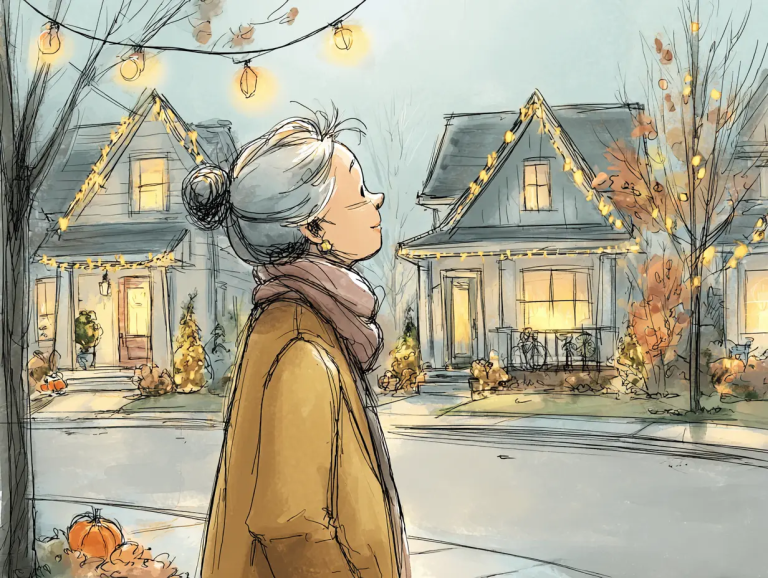
Autumn is the season of endings, and Samhain is its threshold. The fields are bare. The light fades earlier. The air has a sharper edge. And something in you may be ready to tell the truth about this year.
If I strip away all the labels, what am I actually honoring?
A turning point. The harvest ending, the darker season beginning, and your chance to reflect on what you’re done carrying. Samhain is less about ceremony and more about meaning.
What Samhain is (and why it shows up in the bones)
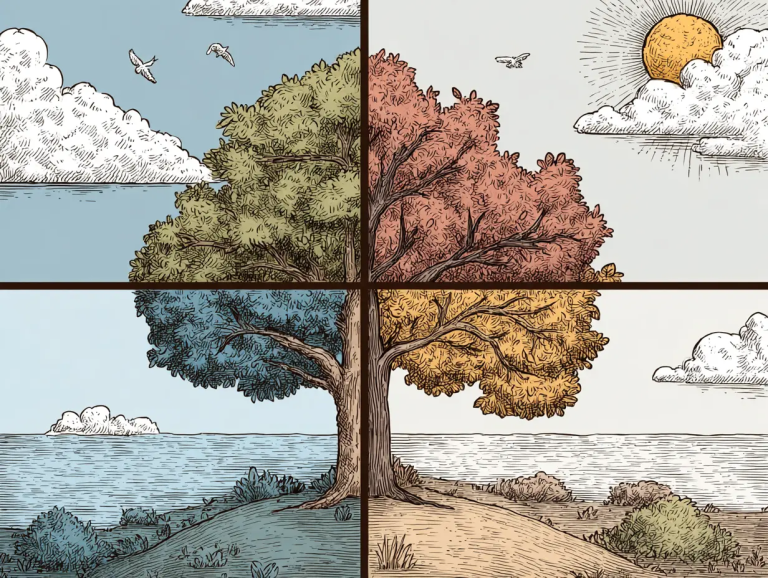
Samhain (pronounced SOW-in) falls between the autumn equinox and the winter solstice, and it’s often described as the Celtic new year. That sounds dramatic, but in practice it’s pretty grounded.
It’s the moment when the “outer” season closes.
And the “inner” season begins.
Traditionally, people marked Samhain as a time to:
- Recognize the end of the harvest
- Honor ancestors and loved ones who had died
- Prepare for a quieter, more inward part of the year
When you look at it through a modern lens, it makes sense why this time still matters. We are shaped by seasons, even if we live in heated homes and buy groceries year-round. Light changes the body. Weather changes the nervous system. The calendar changes our expectations. (Hello, holiday pressure.)
Samhain gives you a clean line in the sand. Not a harsh one, just a real one.
It says: this part is closing.
And it invites you to choose what comes next, instead of drifting into winter on fumes.
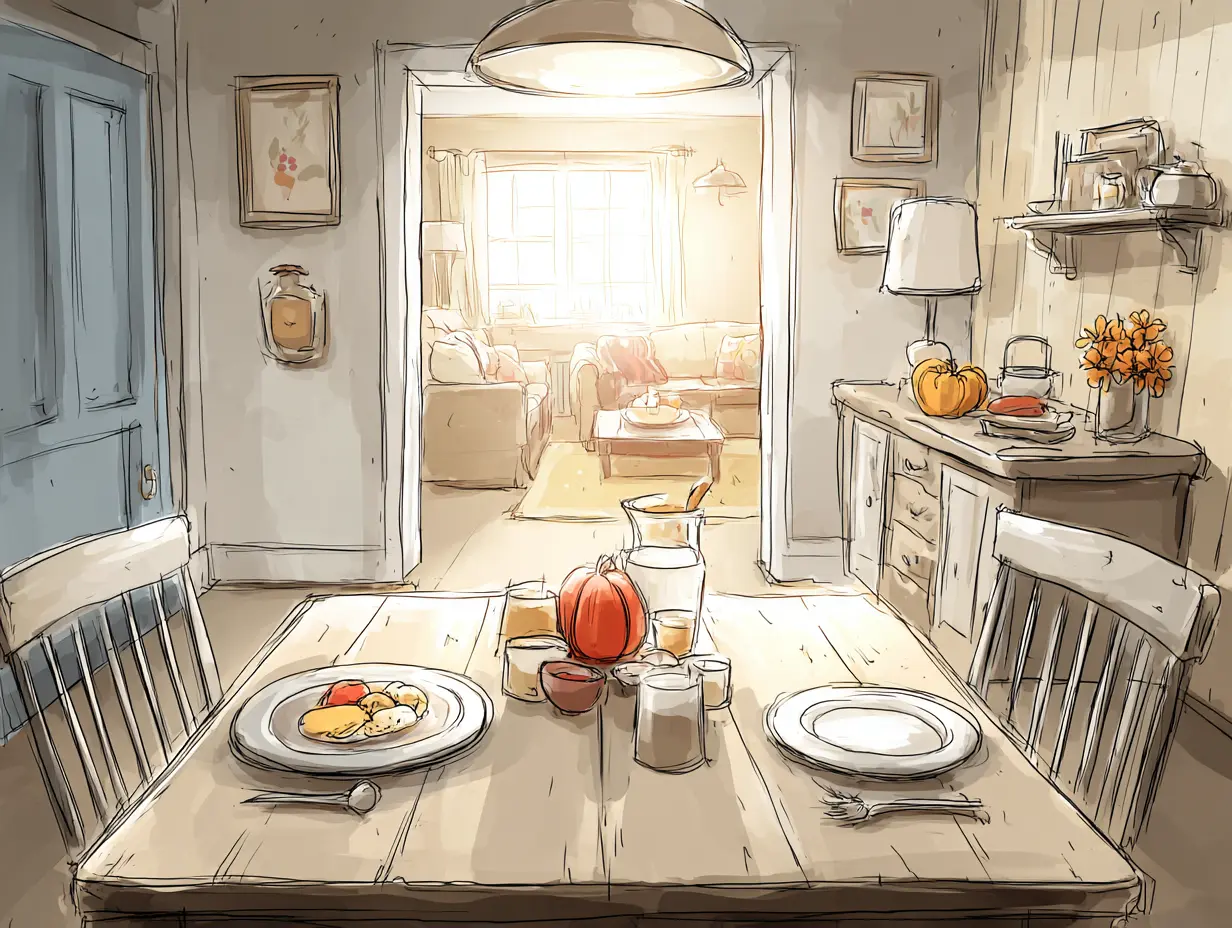
Every year on Samhain, I make a simple stew, set an extra place at the table for the people I miss, and spend the evening reflecting. It’s not formal. It’s not performative. It’s just a practice that helps me feel connected to the year behind me.
Get Your Free Workbook!
A simple weekly ritual to pause, reflect, and start your week with clarity, calm, and creative spark.
Samhain as a pause point
If you’re a woman in midlife living on your own, the turning seasons can land a little differently.
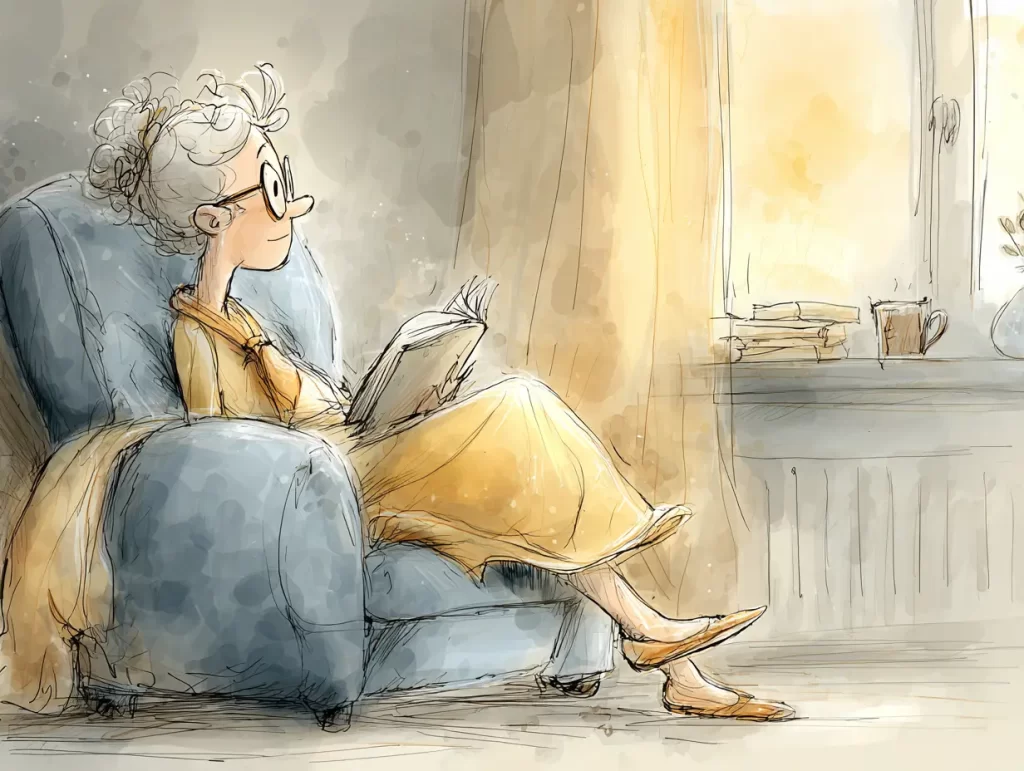
Sometimes the quiet feels like relief.
Sometimes it feels like “Is this it?”
And sometimes it’s not loneliness exactly, it’s that low hum of aloneness that shows up when life gets real and you’re the one holding everything.
Samhain can be a practical pause button. A chance to check in without making it a full personal growth project.
Think of it like cleaning out a closet, but for your inner life.
You’re not trying to become a new person overnight.
You’re just sorting things into a few piles:
Keep: the truths, habits, relationships, and routines that support you.
Release: what drains you, dulls you, or keeps you stuck.
Repair: what still matters, but needs care or boundaries.
Name: what hurts, so it doesn’t keep running the show.
That last one is a big deal. Naming is not wallowing. Naming is clarity.
And clarity is part of life security, not just emotionally, but practically. When you can say, “This is what I’m not doing anymore,” you make room for better decisions in winter, when energy is lower and life can feel heavier.
The extra place at my table isn’t about sadness. It’s about respect. It reminds me that love doesn’t disappear just because a chair is empty.
A simple Samhain reflection (no fancy journaling required)
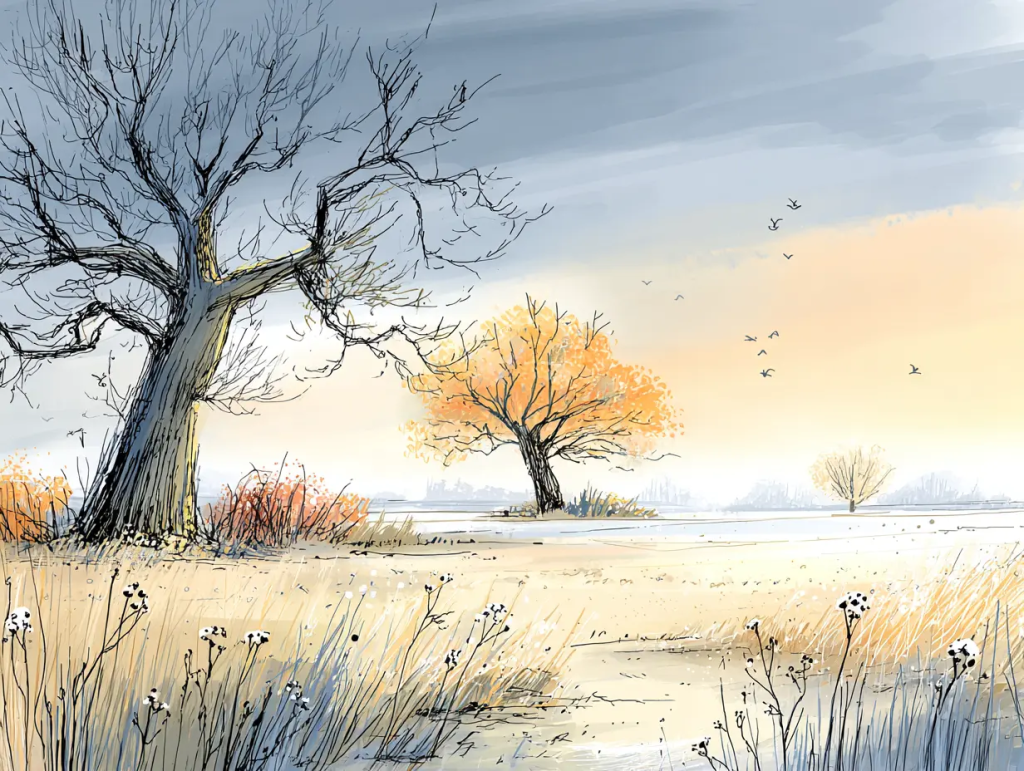
Samhain is a natural point for reflection because it mirrors what nature is doing. Trees drop what they can’t carry. Fields rest. The whole landscape shifts from growth to preservation.
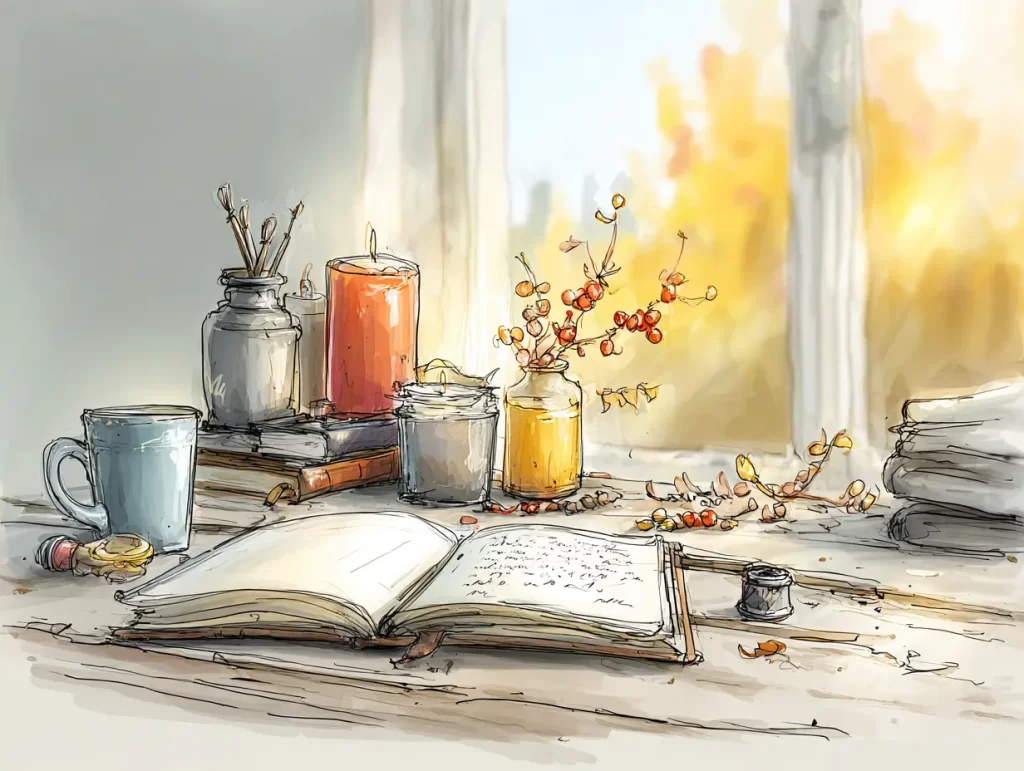
If your brain is tired, keep this simple. You’re not writing a memoir. You’re answering a few honest questions.
Here are three that fit Samhain well:
- What am I ready to release?
Not what you “should” release, but what you’re actually done with. - What lessons from this year do I want to carry forward?
Even a hard year teaches something. You get to keep the wisdom without keeping the pain. - What am I grateful for as the light wanes?
Gratitude isn’t denial. It’s balance. It helps you remember what’s working.
If you want a low-pressure way to do this, try a two-column list on a legal pad:
Leaving Behind and Bringing With Me.
Put a timer on for 10 minutes, write whatever comes up, and stop when the timer goes off. You can always return later, but you don’t have to.
The point is not to fix everything.
The point is to make space.
Because gratitude plus letting go creates a kind of internal breathing room. And winter, more than any other season, asks for breathing room.
Simple ways to mark Samhain at home (even if you’re not “a ritual person”)
You don’t need a ritual book. You don’t need to buy anything. You don’t need to do it “right.”
You just need one meaningful action that helps you notice the day.
Here are a few doable options, choose one:
Light a candle and sit quietly for a few minutes.
Let it be a marker: “I’m here. I’m paying attention.”
Cook something seasonal like stew, roasted root vegetables, or spiced bread.
Food is grounding. It’s also a practical way to tell your body, “We’re safe.”
Take a walk and actually look.
Bare branches. Fallen leaves underfoot. Crisp air. Earlier dusk. It’s all part of the message.
Samhain is less about doing and more about noticing.
If your life feels full, this can be the smallest possible pause.
If your life feels empty, this can be a way to add meaning without forcing cheer.
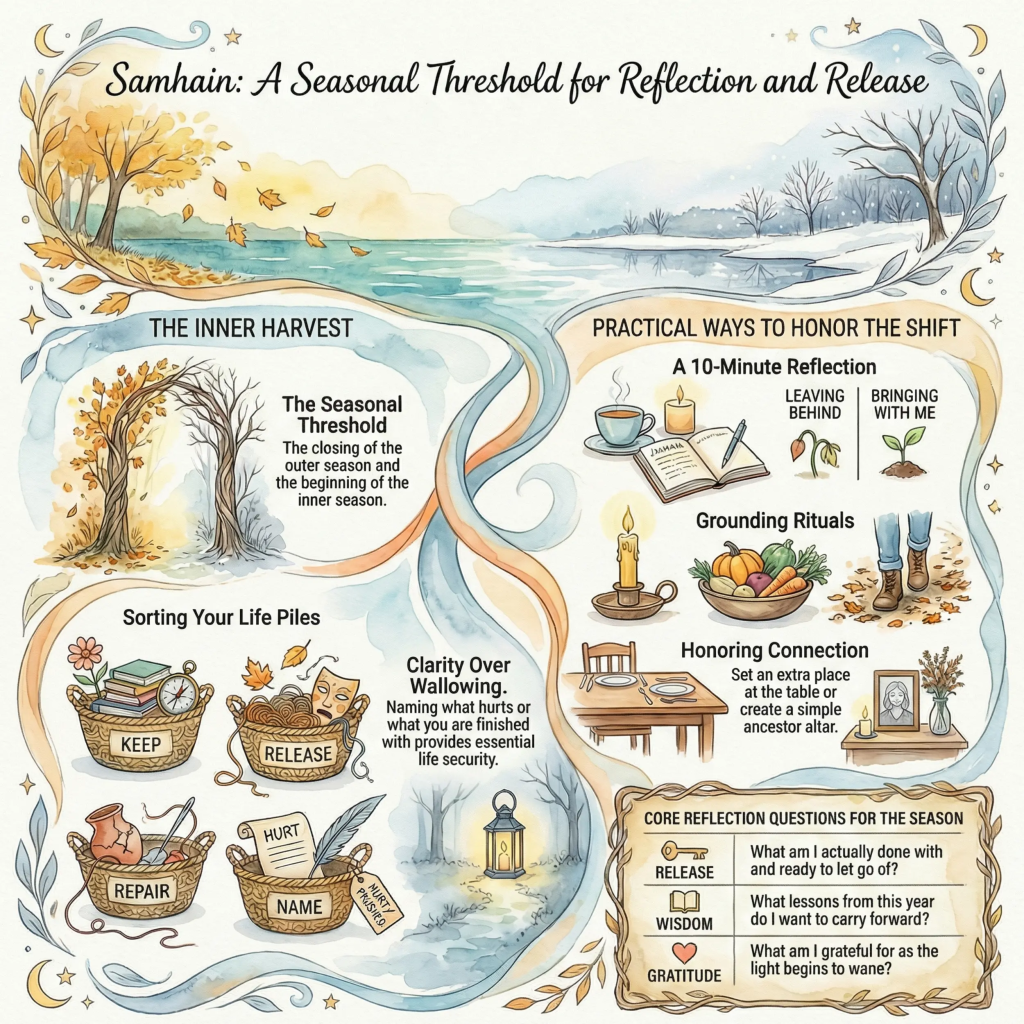
And if you want your home to support these moments more often, it helps to set up one spot that feels calm and intentional. This is where something like How to create a sacred space for reflection can be useful, not as a decorating project, but as emotional support you can actually live inside.
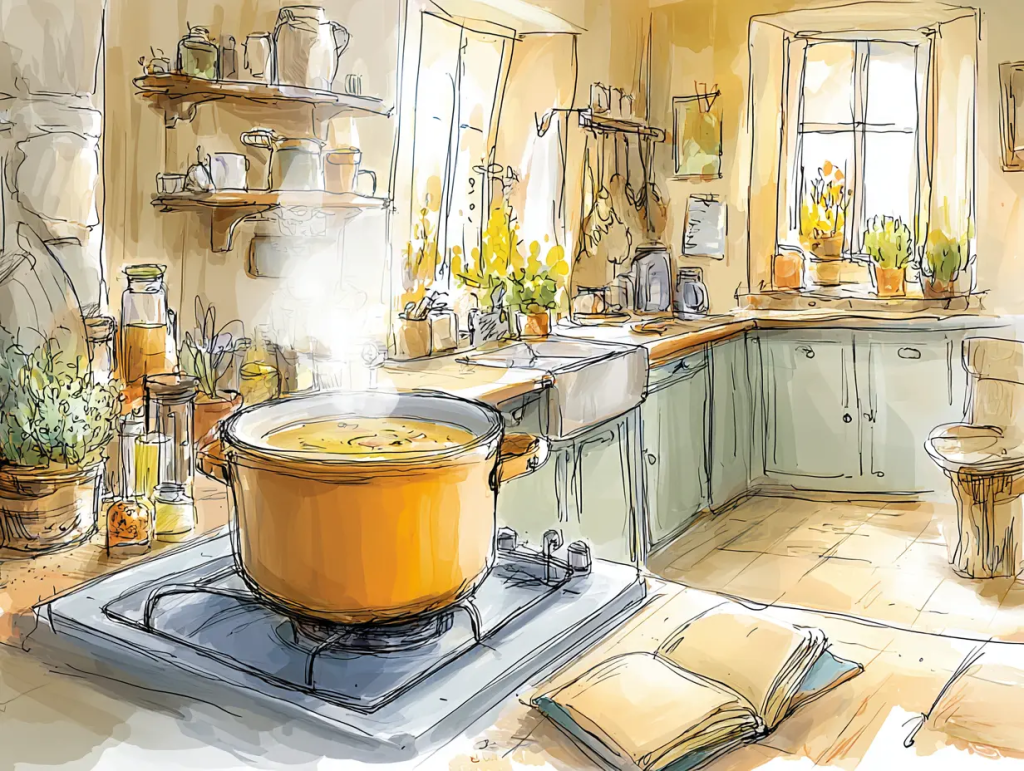
The meal matters to me because it slows time down. A pot simmering on the stove makes the evening feel held, even when the world feels loud.
Honoring ancestors and loved ones, without making it heavy
Samhain is often described as a time when the veil between worlds is thin, meaning the distance between past and present feels smaller. You don’t have to take that literally to find value in it.
You can treat it as a reminder:
You didn’t come from nowhere.
You are part of a longer story.
And connection doesn’t end just because someone is gone.
If you want to honor that connection, keep it personal and manageable. Here are three options that work well, especially if you live alone:
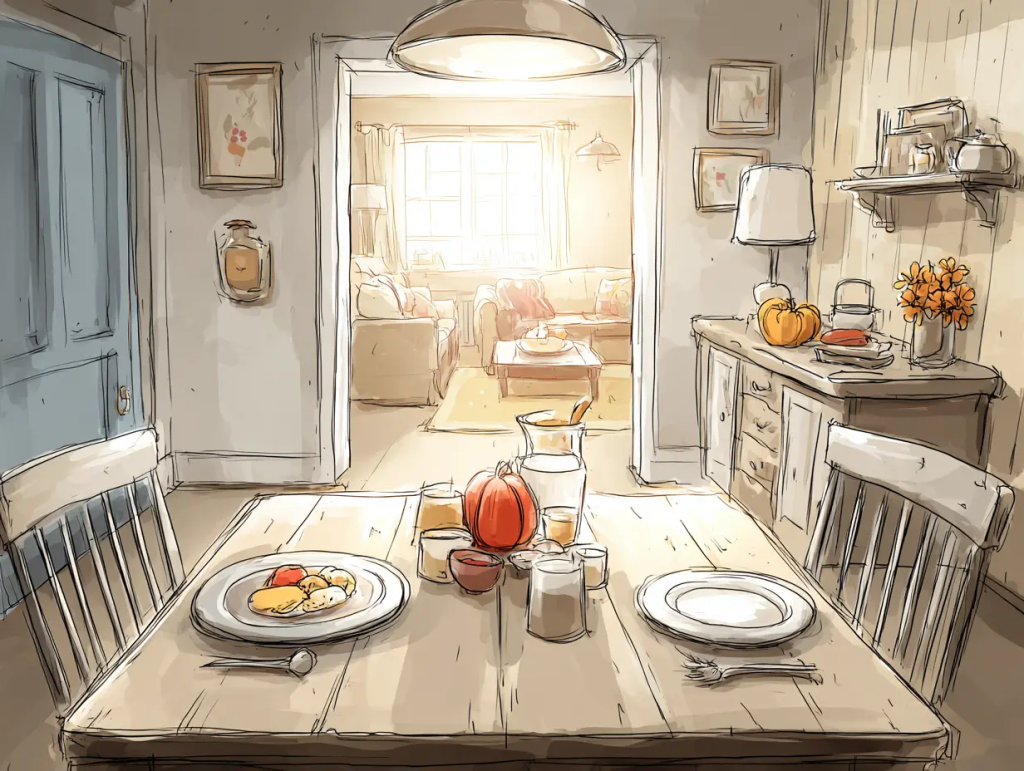
Set an empty place at the table.
A plate with silverware and a glass, a chair pulled out slightly. It’s a visual acknowledgement of love and memory.
Create or refresh an ancestor altar.
This can be as simple as one photo and one meaningful object on a shelf.
Write a letter to someone who has died.
Tell them what you miss. Tell them what you remember. Tell them what you learned from them.
If grief is part of your story, remembrance can bring emotion up to the surface. That’s not a problem to solve. That’s your heart doing what hearts do.
If you find yourself overwhelmed by grief, support matters, and it’s okay to ask for it. The American Psychological Association has a solid, practical overview of grief and what it can look like over time: Grief.
I keep an ancestor altar year-round in a repurposed medicine cabinet on an antique washstand that belonged to my second great-grandmother. Inside are photos and small objects from people I’ve loved and lost. It’s quiet, not formal, and it reminds me I’m held by history.
If you don’t have ancestors you know, you can still honor belonging
Some of us don’t have family stories. Or they’re complicated. Or they’re missing.
You can still work with Samhain in a way that feels true.
“Ancestors” can mean:
- People who made your life possible, even if you don’t know their names
- Mentors who shaped you
- Chosen family who showed up when it counted
- The older version of you who got you here
Remembrance isn’t about perfect lineage.
It’s about recognizing that you’ve been shaped by love, effort, and survival.
And you get to decide what gets carried forward.
Key Takeaways
Samhain (Oct 31 to Nov 1) marks the close of harvest and the Celtic new year, a seasonal threshold between “before” and “after.”
You don’t need religion or elaborate ritual. A pause and a small act is enough.
Reflection works best when it’s simple: release, carry forward, and gratitude.
Honoring loved ones can be practical: a place at the table, a photo, a letter, a candle.
Samhain supports clarity, and clarity supports steadier choices as winter begins.
3 Ways to Start Today
- Write down one thing you’re ready to release with autumn’s end.
- Light a candle and sit in silent remembrance for a few minutes.
- Set aside one photo or heirloom to begin (or refresh) an ancestor altar.
A practical invitation for the darker half of the year
If you’ve been waiting for a sign to set something down, this can be it. Not because you’re failing, but because you’re ready for a lighter load.
Let this be your permission to choose what stays.
And to release what doesn’t.
So . . .
What are you ready to lay down this season, and what truth are you ready to carry forward?