Creating Your Emergency Contact Network
Building Your Circle of Support
There’s that moment — the one where you’re filling out a form and land on “emergency contact.” And suddenly, it’s not just a blank line. It’s a question that echoes: Who would truly show up for me in a crisis?
If you’re living solo or navigating a new life chapter, that question might feel weightier. But here’s the truth: building your emergency contact network isn’t just about preparedness — it’s about permission. Permission to receive support. Permission to ask for help. Permission to be held.
Let’s break down how to build a circle that supports your peace of mind, one name at a time.
Let’s Talk About the Pause
Creating your emergency contact list can stir up more than logistics. It can tap into feelings of vulnerability, guilt, or that old story that needing help = weakness. Spoiler: it doesn’t.
This isn’t just about who to call when your car won’t start or something bigger happens — it’s about knowing you’re not alone in this life.
Start here:
- Acknowledge any hesitation or fear you feel.
- Ask yourself: What’s really stopping me from asking for support?
- Remind yourself: This is an act of care, not a crisis plan.
Roles, Not Just Names
Every person in your support circle brings something unique. Think of your network as a team with different positions:
- Medical Advocate: Someone who knows your health history or can speak up on your behalf.
- Local Ally: A neighbor or friend who can physically show up when needed.
- Emotional Anchor: The one who grounds you with a calm voice and clear thinking.
- Logistics Hero: Someone who can handle things like pet care or errands if you’re out of commission.
Not everyone has to be local — and not every role has to be filled right away. Start small. Build slow. That’s still progress.

A gift for you!
Life Security Essentials Organizer
Get your essential info organized with calm confidence one small step at a time
Connection Over Perfection
Maybe you feel awkward asking someone to be part of your emergency plan. That’s totally normal. But here’s a way to reframe it: You’re not assigning them a task — you’re inviting them into a deeper place of trust.
Try this script:
“I’ve been thinking about getting more prepared, and I’d love to include you in my support circle. Would you feel comfortable being someone I could call in case of an emergency?”
You’d be surprised how many people say yes with warmth. Most want to help — they just need to be asked.
Your Network, Your Needs
Not sure what support you actually need? Let your life guide you:
- Do you live with a medical condition?
- Are you solo parenting or living far from family?
- Would it help to have someone who knows where your spare key is?
Tailor your network based on your lifestyle — not someone else’s checklist. Preparedness is personal.
Map Your Current Circle
Let’s do a mini audit:
1. List your current circle. Include inner circle (ride-or-die friends) and outer circle (neighbors, professionals, acquaintances).
2. Match people to roles. Think of who could help emotionally, logistically, medically, etc.
3. Notice the gaps. Do you need more local contacts? More clarity in roles?
This isn’t about pressure — it’s about awareness.
Keep It Simple and Shareable
Once you’ve sketched out your network:
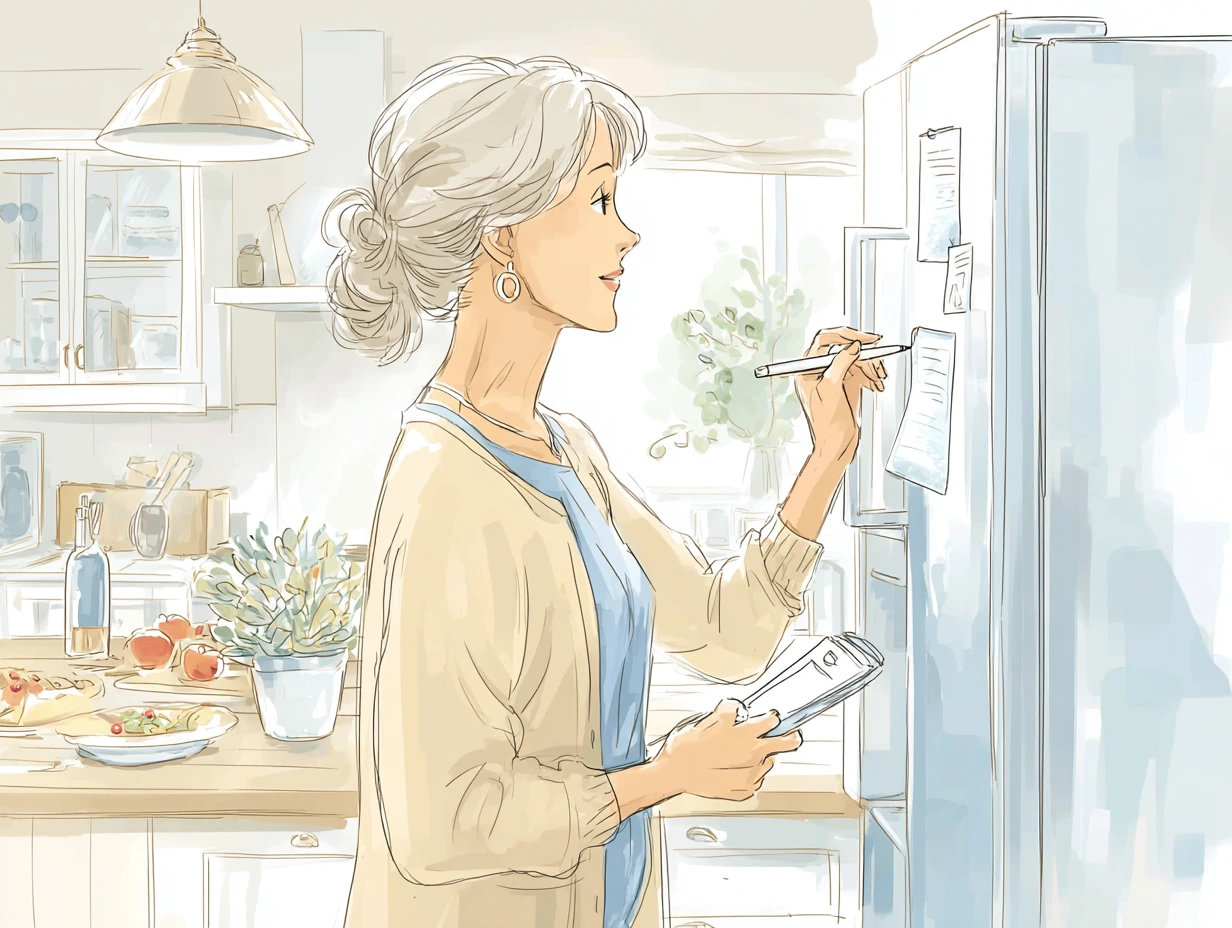
- Make a one-page contact sheet with roles and phone numbers and put it on your refrigerator
- Store it in your phone, planner, or home binder
- Share it with 1–2 key people so they’re looped in
Consider including:
- Allergies or medical notes
- Pet care instructions
- Emergency access info (like who has your key)
Remember, clarity helps everyone stay calm when it counts.
Check In and Revisit
Your life shifts — and so will your network. That’s healthy.
- Set a reminder to revisit your contact list every 6–12 months
- Ask your contacts if they’re still comfortable in their role
- Add new people as your relationships and needs evolve
This is less about perfection and more about staying connected.
3 Ways to Start This Week
- Name one person. Choose someone you trust and ask if they’d be willing to be a key support contact.
- Write it down. Start a simple list of names, roles, and phone numbers.
- Have the conversation. Pick one person and reach out. Keep it light, honest, and affirming.
Preparedness Is Peace of Mind
Creating your emergency contact network isn’t a grim task — it’s a love letter to your future self. It says: I care enough to make sure I’m supported.
So take the next small step. You don’t have to have it all figured out. You just have to start.
Who’s the first name you’ll write down?