Creativity Through Collection: Creating Personal Museums of Meaning
Turning everyday treasures into a reflection of your story
The Heart of It: Collections don’t need to be grand or expensive. When you gather objects that hold meaning, you create a personal “museum” that celebrates your story, creativity, and sense of purpose.
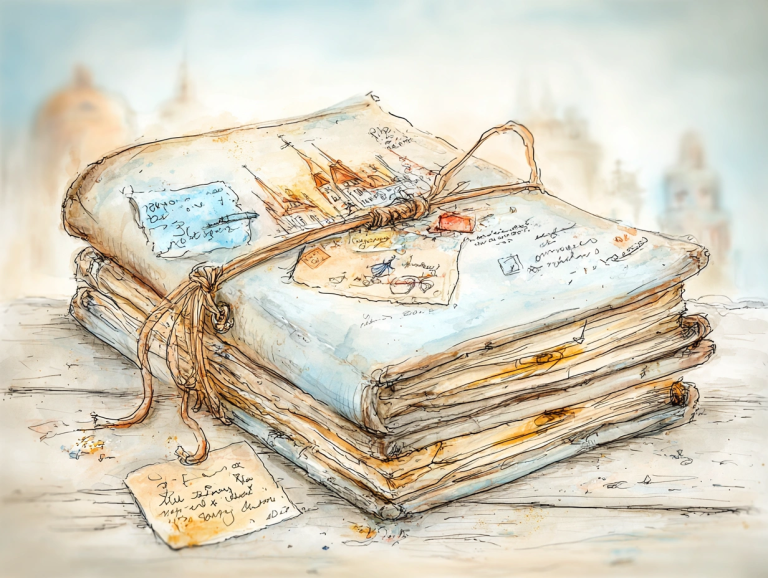
Most of us collect things without even realizing it. A handful of shells from the beach. Cards from loved ones. Recipes written on stained index cards. These small, ordinary objects hum with memory.
When you begin to gather them with intention, they stop being clutter and become something more. Each piece becomes a quiet artifact of a life well-lived: a reflection of who you are and how you’ve moved through the world.
Creating a personal museum is not about displaying perfection. It’s about honoring meaning, presence, and the threads of memory that remind you of your own story.
Why We Collect
Humans have always gathered objects that speak to them. The impulse runs deeper than utility. A drawer of postcards is really a drawer of places you’ve been. A bowl of stones becomes a map of walks taken and moments remembered.
Collecting is one way we honor our story. It says, this mattered to me once, and it still does.
One of my favorite collections is an old vase filled with seashells I’ve gathered on beach walks over the years. I live in a landlocked state now, but each one carries a quiet memory of the sea.
Everyday Artifacts of Your Life
Your museum doesn’t need rare or expensive objects. The things that hold the most meaning are often the simplest: items touched by life and time.
Think about:
● Ticket stubs from a concert that changed you
● Seashells from a trip that felt like freedom
● Handwritten recipes from family kitchens
● Notes or cards tucked into drawers
● A well-worn scarf or handmade quilt
These pieces are not just “stuff.” They are tangible threads that connect you to the people, places, and seasons that have shaped you.
I keep an old vintage lady-head vase from my grandmother above my kitchen cabinets. The paint is fading and there’s a tiny chip along the rim, but every time I see it, I feel her presence in my kitchen.
How to Curate With Intention
A collection becomes meaningful when it’s tended, not just gathered. Ask yourself:
Does this still hold meaning?
Does it still tell my story?
You don’t need to keep everything. Choose the pieces that make you feel something when you hold or see them. That act of choosing is what turns keeping into curating: the art of highlighting what truly matters.
Consider grouping your items by theme, story, or feeling. You might notice patterns emerge: journeys taken, people loved, chapters closed.
I’ve been scanning my mom’s handwritten recipe cards to include in a family keepsake book. Seeing her script on the screen still feels intimate: a quiet thread of connection that reminds me I’m part of her story.
Displaying Your Story
Once you’ve chosen what matters, find ways to let those pieces breathe. The goal isn’t perfection, it’s presence.
Try:
● A shadow box filled with postcards or small objects
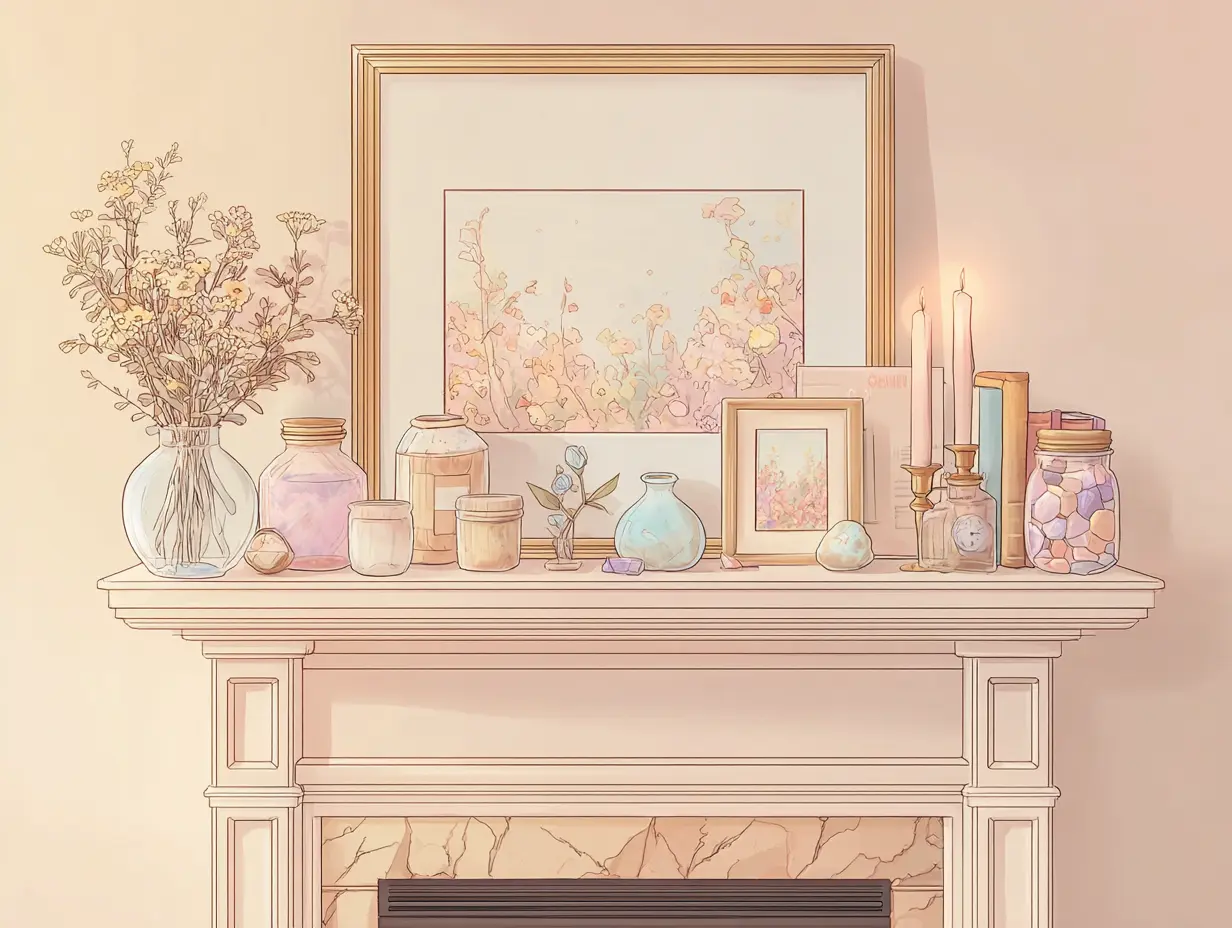
● A shelf arranged with meaningful items and a short note beside each
● A photo book pairing images with short reflections
● A digital album if you prefer to travel light but still want to keep memories close
Your display doesn’t have to be polished or public. It just needs to feel like a space where your story is honored.
I’m creating a shadow box to hold my grandmother’s black clutch purse and a vintage brooch she once wore. Each time I arrange the pieces, it feels like I’m curating a small exhibit of her life — a way to keep her presence woven into mine.
Letting Your Collection Evolve
Meaning changes as we do. The objects that once defined a season might not hold the same resonance later. That’s part of the process. Periodically review your collection. Keep what still sings to you and release what has grown quiet.
Letting go makes space for new memories to take shape. A personal museum is a living thing, part memory, part movement.
My grandfather made stained glass after he retired, and I have several of his pieces hanging throughout my home. The deep purple iris over my bed catches the morning light, a quiet reminder that creativity runs in our family.
The Deeper Gift of Collecting
At its heart, this isn’t just about keepsakes. It’s about noticing your own life with reverence. Each chosen object becomes a mirror, reflecting back pieces of who you’ve been and who you’re becoming.
When you curate with intention, you practice gratitude. You’re saying: my life holds meaning, and I choose to honor it.
That act of recognition is itself a creative practice, one that turns memory into art and everyday life into legacy.
When I cleaned out my mom’s house, I found a box of my old albums and 45s. Now, framed on my office wall, Cyndi Lauper and The Mamas and The Papas make me smile every time I sit down to write.
3 Ways to Start Today
- Choose one object that holds meaning and place it somewhere visible.
- Start a small box, folder, or shelf labeled “My Personal Museum.”
- Write a short note about why one object matters to you. Story deepens memory.
So . . .
What small piece of your story feels ready to take its place in your personal museum today?
FAQs
Get Your Free Workbook!
Reflect on your life lessons, values, and creative sparks to uncover the purpose that’s been there all along.